Signals 360. Immersive Crisis Simulations
Introduction
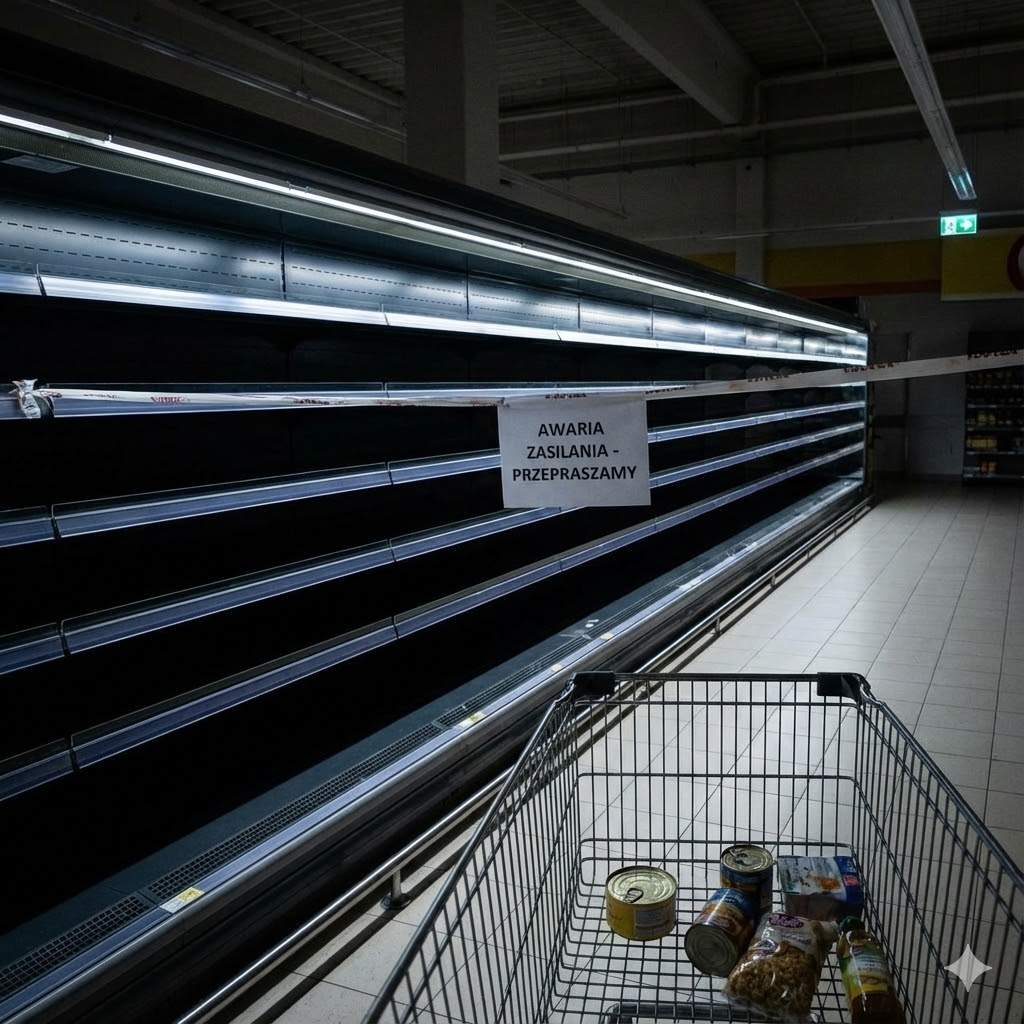
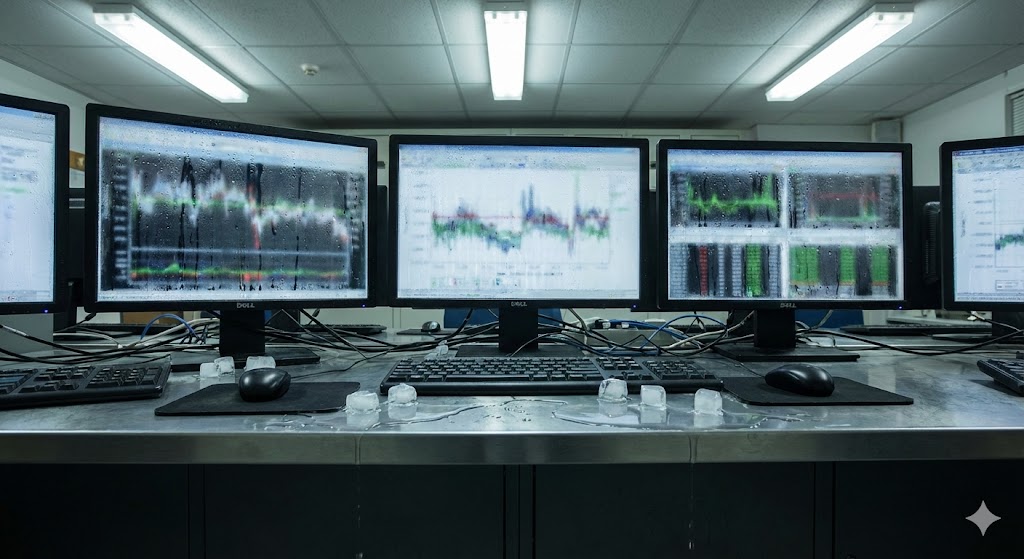
This is the hottest summer in ten years. For seven days, temperatures in the country’s center have exceeded 35–37°C, and at night they don’t drop below 26°C. Copernicus Sentinel-3 satellite data shows land surface temperatures (LST) reaching 48–50°C, translating into overload of energy and telecommunications infrastructure.
Systems are operating at the edge of capacity, and any disruption can trigger a domino effect. Poland faces its largest water deficit in history. Drought affects both rivers (low levels of the Vistula and Odra) and retention reservoirs and groundwater.
Simultaneously, demand for electricity is rising (air conditioning, cooling, water pumping), but coal and hydro power plants cannot operate at full capacity due to limited cooling. Rolling blackouts occur in cities and industrial zones.
The state implements:
- Water rationing for households and businesses
- Ban on water use for industrial and agricultural purposes except critical activities
- Priority power supply for hospitals, military, and selected strategic sectors
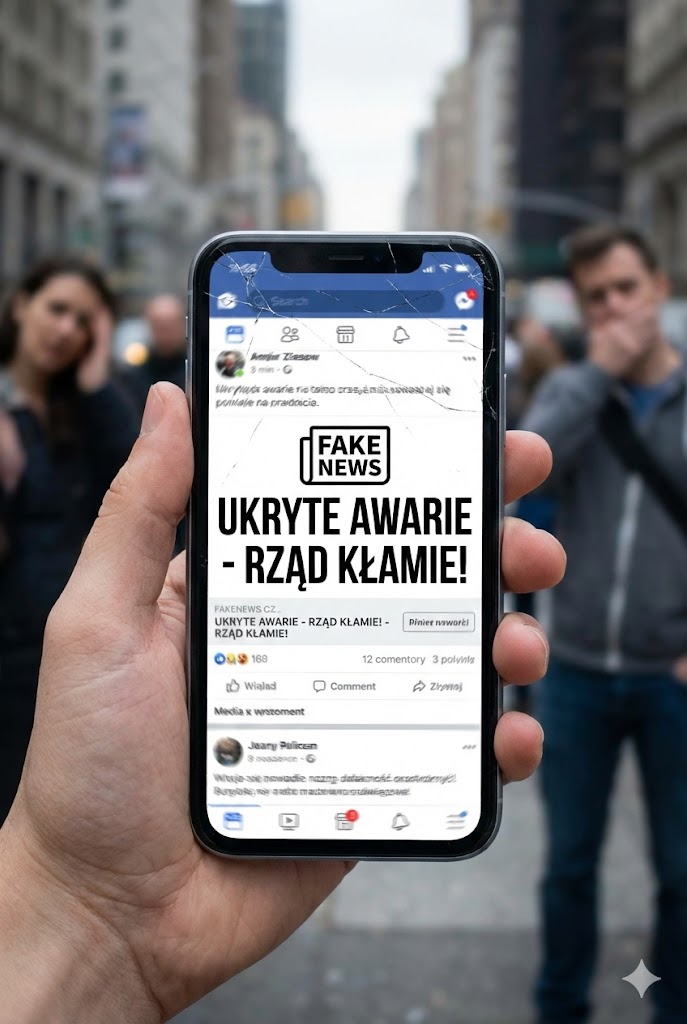
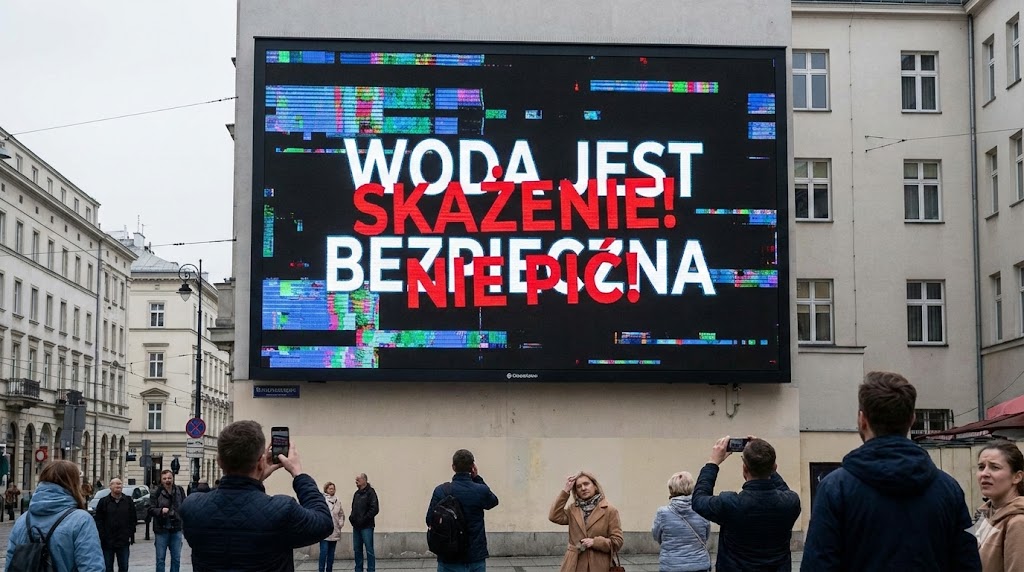
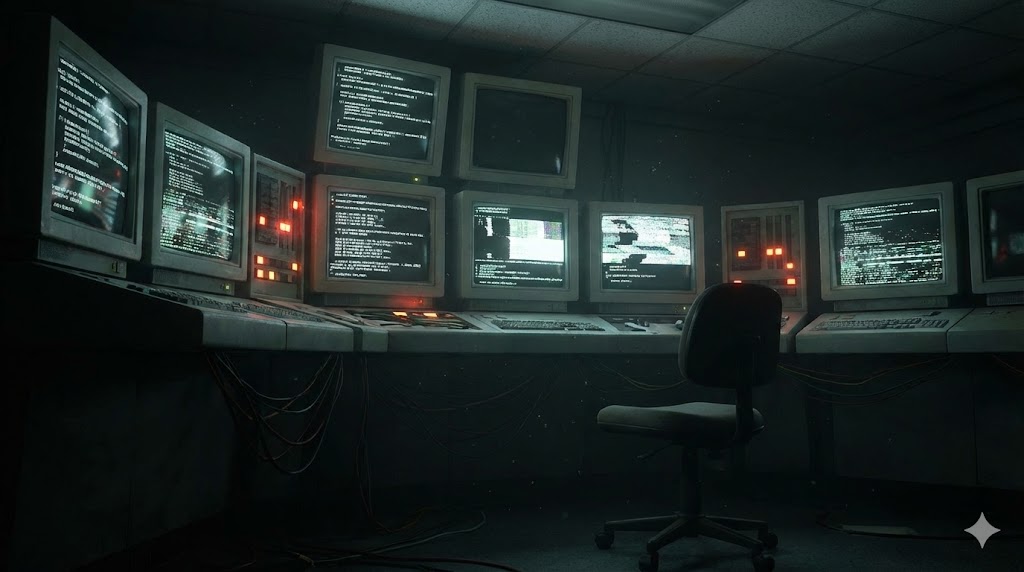
When heat reaches record values, control systems for key production processes begin to react illogically: delays appear, telemetry is lost, emergency switches activate. Communication with the control module is interrupted, and simultaneously false narratives about “hidden failures” appear on social media. This is not a homogeneous attack, but a coordinated cyber-physical-informational operation that strikes precisely when the organization is already overwhelmed by extreme weather conditions.

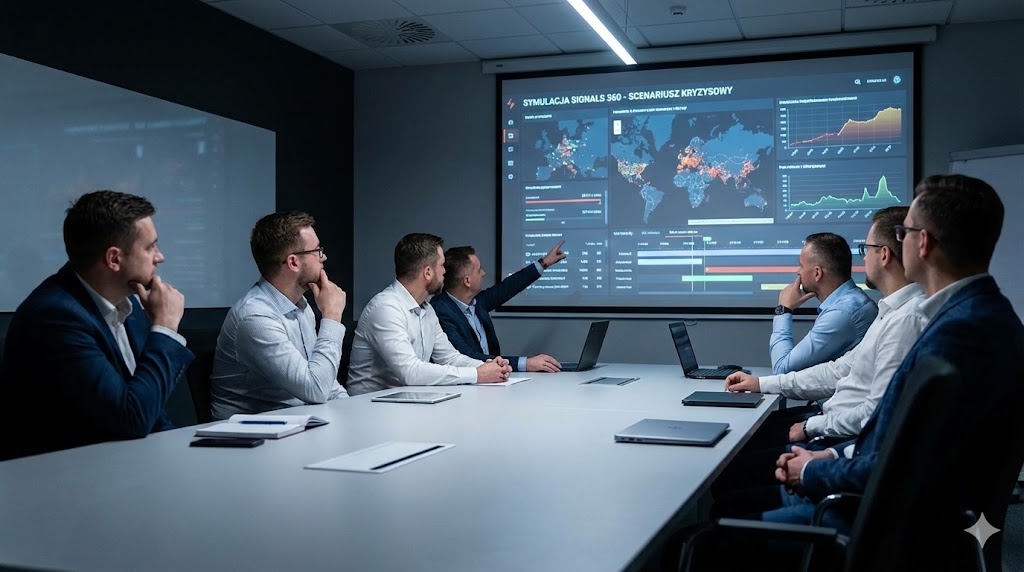
This is not fiction. This is a realistic convergence of events that can occur in a world marked by geopolitical pressure, climate-tech polycrises, supply chain disruptions, and rising tensions. Signals 360 simulation allows you to test how your organization functions in such reality — before reality does.
Why Now
We live in a world where crises no longer queue up. One disruption immediately initiates another. Crises overlap, amplify each other, and their consequences escalate. Traditional risk assessment methods prove insufficient.
Working with private companies, public institutions, and international humanitarian organizations, we see that such entities are not sufficiently prepared for threats in their environment.
This is a moment when having plans is no longer enough. They must be tested, challenged, and broken using methods designed to operate under conditions of extreme uncertainty. That’s why the foundation of Signals 360 Simulation is Assumption-Based Planning (ABP), described in RAND’s classic study as a tool that enables identification of assumptions vulnerable to collapse and design of anticipatory actions in situations where the future is less predictable than ever.
What We Offer
Our simulation session offering, based on realistic polycrisic scenarios, enables business and public organizations in Poland and abroad to:
- Conduct a controlled “stress test” of team readiness to operate in extreme situations,
- Identify organizational vulnerabilities to crisis,
- Increase accuracy of key decisions made in the first 24-48 hours from crisis outbreak,
- Develop action habits and response systems in crisis situations affecting the entity’s operations.
Signals 360 Simulation creates a safe, controlled environment that transforms knowledge into decision, and declarations into resilience.
How We Do It
We offer immersive simulation sessions based on precisely constructed crisis futures scenarios, which will allow your organization to conduct a comprehensive stress test of crisis readiness and gain knowledge and skills about the main elements of crisis management in the organization.
Our unique approach goes beyond standard crisis management exercises. It offers deep immersion in possible futures of Poland and the world in the 2025-2030 perspective. In this process, participants receive clear instructions on how to engage their team in actions limiting crisis effects.
Methodological Foundations
Our scenarios are built on:
- Strategic foresight methods enabling deep industry analysis in medium and long-term perspective,
- Deep understanding of threats occurring in Poland and Central and Eastern Europe that may impact business and organizational continuity,
- Analysis of weak signals of change emerging from global and local contexts, constantly updated in the horizon scanning process,
- Morphological analysis of risk convergences revealing non-obvious connections between threats,
- Thick description method and speculative design giving scenarios realism and facilitating immersion.
Example Scenario
Regional War Crisis with Threat Escalation in Poland
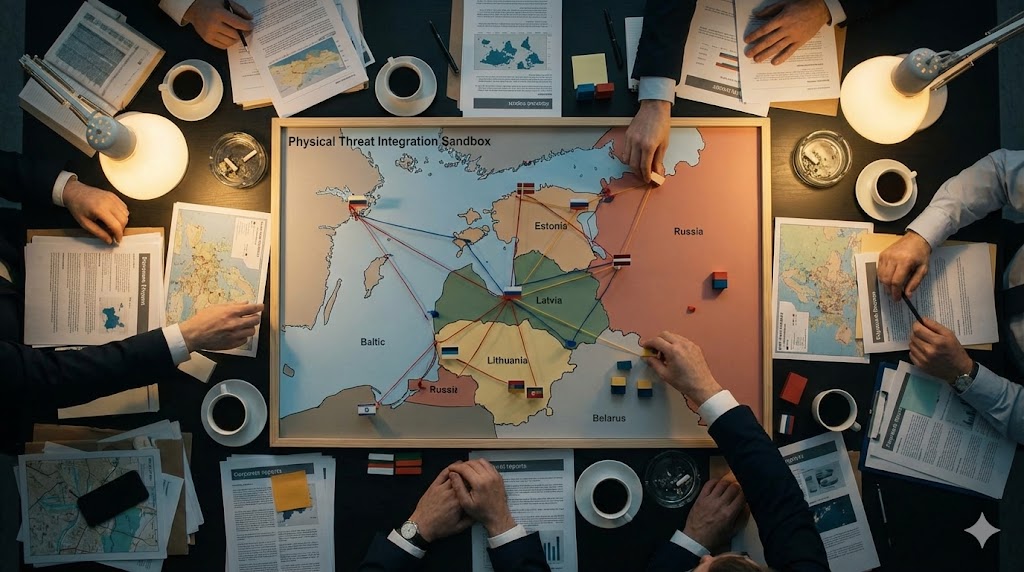
As a result of armed conflict escalation on NATO’s eastern flank, military actions intensify on Ukrainian territory, as well as tensions in Baltic countries. Fearing possible aggression from Russia and internal situation destabilization, hundreds of thousands of citizens of Ukraine, Lithuania, Latvia, and Estonia head to Poland as the main transit and destination country.
Simultaneously, Poland becomes the target of cyclical drone and missile attacks aimed at:
- Military centers and command centers,
- Critical infrastructure (power plants, fuel storage, power lines, refineries),
- Logistics nodes (ports in Gdańsk and Gdynia, railway transshipment terminals),
- Large agglomerations (Warsaw, Wrocław, Kraków).
In border zones (Podkarpacie, Lublin region, Podlasie), civilian population evacuation occurs, leading to:
- Paralysis of local governments,
- Suspension of business activities,
- Road blockades and supply chain interruptions.

Day 1 — Simulation
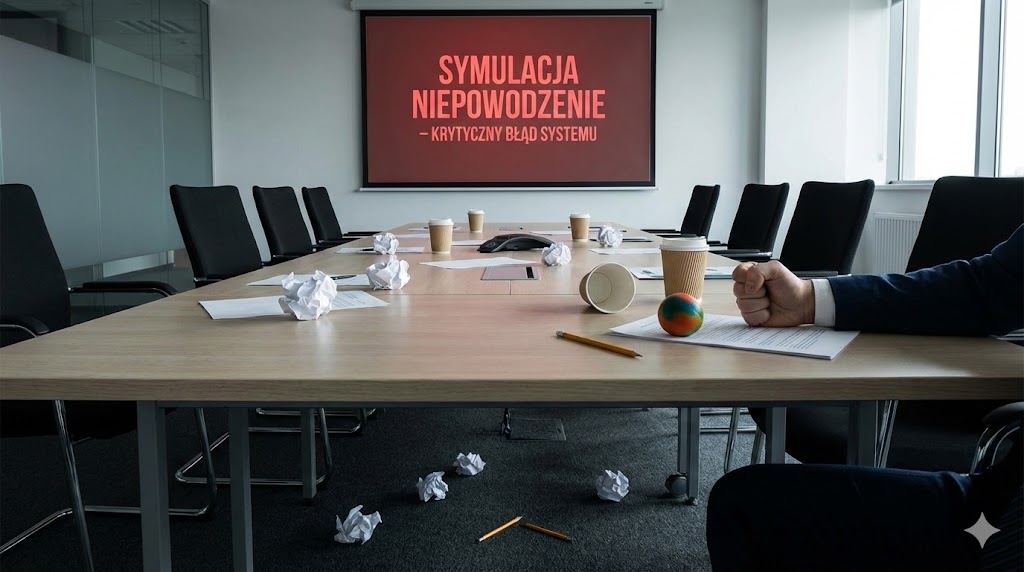
Step by step we go through escalating crisis phases: short decision windows, narrative conflict, media pressure, and escalating signals from the environment. “Injects” appear based on real attack patterns, regulatory signals, supplier reactions, problems with information integration from dispersed sources.
Day 2 — Analysis and Decisions
This is a precise review of actions and bottlenecks. We use, among others:
Assumption-Based Planning (ABP) — we identify those elements of strategy and procedures that may fail before reality breaks them
Futures Wheel — to show how second and third-order consequences of decisions may materialize faster than intuition suggests,
Morphological analysis — to test different escalation variants (temperature, power deficit, OT failure, ransomware attack, infrastructure sabotage),
Red teaming — to enable the team to confront alternative interpretations of reality,
Communication resilience tests — in a world where narrative leaks occur before decisions are made,
to indicate:
- Which assumptions are vulnerable,
- What early warning signals should be monitored,
- What decisions and process changes should be implemented,
- What hedging actions are necessary in short-term and mid-term horizon.
A synthetic action plan emerges that can be immediately translated into operational implementations.
EXAMPLE SCENARIOS FOR SIGNALS 360
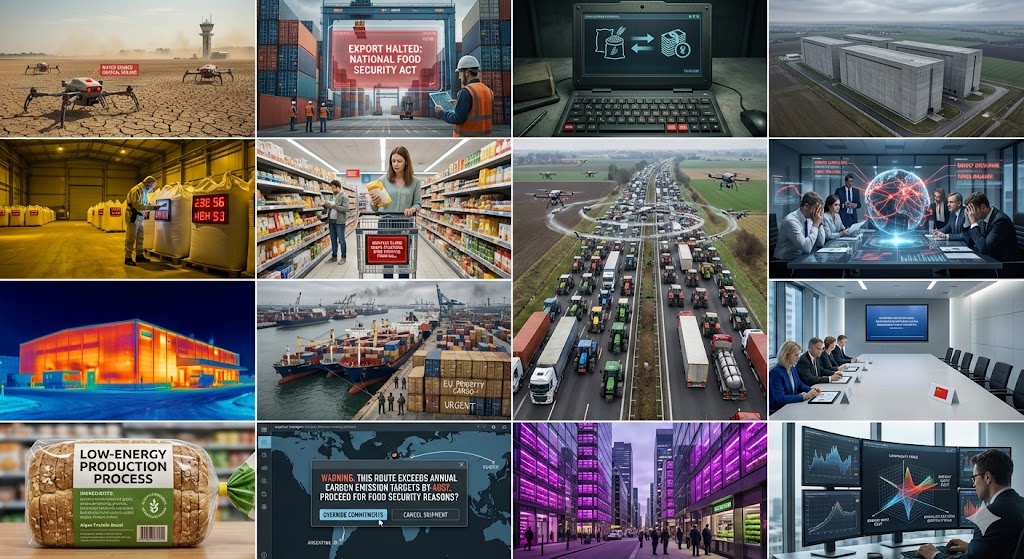
“Crisis Communication” Module
An integral part of Signals 360 Simulation is practical communication training, designed based on contemporary information stream analysis techniques, known both from crisis practice and disinformation research.
Participants work on:
- Dynamic communication line updates,
- “Who/when/how” notification sequencing,
- Preparation of adequate statements and Q&A,
- Responding to leaks (simulated based on ransomware leak-site patterns),
- Camera work, in short “standups,” in “BBC interview” mode, under time pressure
Recordings along with assessment of language, legal risks, timing, leak consequences, and communication consistency go into the Communications Playbook.
It’s in this module where you most often see whether a dispersed team can speak with one voice — and whether it has mechanisms preventing narrative deformation under pressure.
Measurable Effects
Signals 360 Simulation results in:
- Strengthening individual leader resilience and their ability to operate under pressure and incomplete information,
- Shortened time for making key decisions in the first hour of crisis,
- Identification of gaps in permissions, escalation, information flow, and role overloads,
- Establishment of distributed work rules and principles limiting leak risk
- Breaking “vulnerable assumptions” — assumptions that could fail in a real crisis
Organization
Duration: 2 days (recommended)
- Available 1.5-day “diagnostic” version or extended to 3 days,
- Participants: Board and process owners (8–18 people) or entire company,
- Mode: On-site / hybrid / online (war room + remote modules),
- Confidentiality: Mutual NDA; materials prepared in secure environment.
Facilitation Team


Next Step
We propose a 60-minute online scoping meeting, during which we will match the scenario to your risk profile and establish success metrics.
In a world where crises don’t wait their turn, it’s better to practice in the war room than learn in front of cameras.
If this way of thinking resonates with you — we’re ready.
Is Signals 360 Simulation for You?
(What Our Clients Most Often Ask Before Deciding on Signals 360 Simulation)
Do we really need such a simulation if we have business continuity plans and crisis procedures?
Plans only work when tested under conditions of pressure, information shortage, and priority conflict. Most strategic assumptions collapse in the first hour of a real crisis — Signals 360 Simulation allows you to catch them before reality does.
How does this simulation differ from traditional BCP/DRP exercises?
Signals 360 goes beyond IT and operational procedures. It tests interdisciplinary decisions, communication consistency, individual leader resilience, and fragility of key assumptions. It’s a full “crash test” of the organization — not just its infrastructure and procedures.
Won’t the scenario be too extreme? We don’t want science fiction.
We don’t design planetary catastrophes. Scenarios are realistic, grounded in data and risk patterns observed in Poland, Europe, and the Baltic. Their intensity corresponds to contemporary crises in which disruptions overlap.
Isn’t this “theater” that looks good but has little practical value?
Signals 360 is designed like a live audit. Every decision leaves a trace, and its consequences are analyzed in terms of risk, time, cost, and stakeholder impact. The result is not experiencing a plot, but concrete decisions, a 30/60/90 plan, and updated strategic assumptions.
How do you scale the difficulty level? Every company is different.
We design each scenario based on the map of critical processes, technological architecture, and Client’s risk profile. We adjust the level of pressure and complexity to real threats and organizational maturity.
Won’t such a simulation negatively affect manager morale?
Quite the opposite — participants emerge strengthened because they gain awareness that they can operate in chaos. We conduct the session in a spirit of development and constructive feedback, not evaluation.
What if serious errors in team operation emerge during the simulation?
That’s the ideal moment to discover them — in a safe environment, not under media or regulator pressure. Our role is not to condemn, but to help build resilience and design corrective actions.
Do we have to disclose confidential information?
No. We work on verified process structure and technical data prepared by the Client, without access to sensitive details. Everything takes place under NDA and with full respect for information security.
How do we assess whether the simulation was “successful”?
After simulation, you receive measurable indicators: decision-making time, communication resilience, narrative consistency, process stability, and a list of assumptions requiring change. Success is not “winning the scenario” but gained clarity and readiness to act.
Can the scenario be based on geopolitical and sectoral risks, e.g., energy, telecommunications, financial?
Yes, that’s our specialty. We design scenarios based on variety of signals of change (trends, weak signals, disruptors, emerging technologies), cyberthreat reports, and strategic conditions — e.g., Baltic risks, submarine cables, IT/OT supply chains, financial regulator pressure, or energy disruptions.
Is this a “one-time experience” or part of a broader process?
Signals 360 can be one-time, but it brings the most value as a cycle — with repeated scenarios every 6–12 months, assumption testing, and organizational resilience updates.