
SCENARIO 1
The Baltic Blackout
Submarine Infrastructure Sabotage × Information Warfare × Financial Cascade
November 14, 2027, 03:47 CET
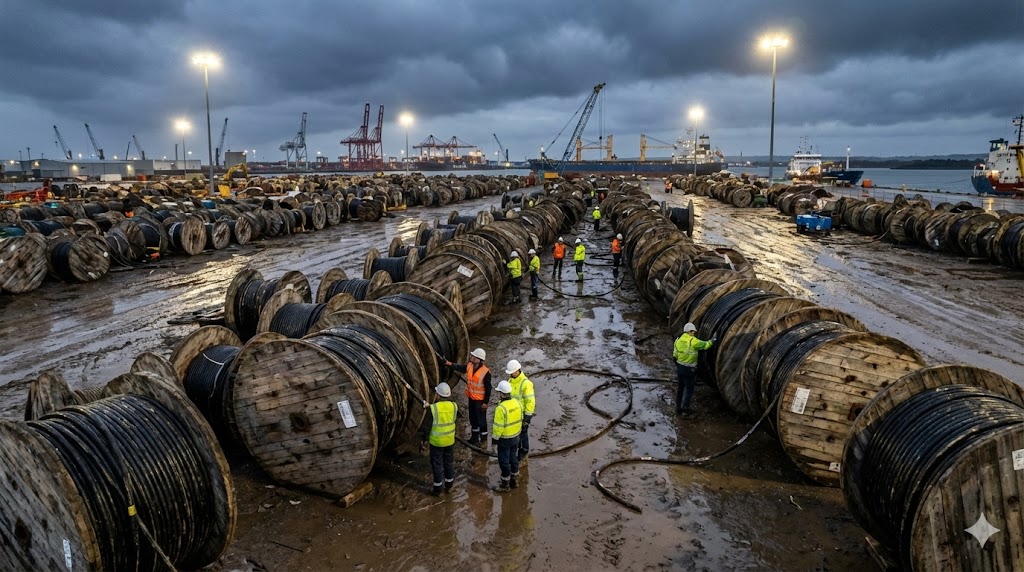
The first anomaly appears on monitoring screens at Cinia’s data center in Helsinki. Latency on the C-Lion1 cable between Finland and Germany spikes from 28ms to 847ms, then flatlines completely. Engineers initially suspect a fault. Within eighteen minutes, three more subsea cables in the Baltic Sea show identical patterns.
By 06:00, Sweden, Finland, Estonia, Latvia, and parts of Poland experience severe internet disruptions. Banking systems switch to backup routes through overloaded terrestrial networks. ATMs begin failing. Payment terminals display error messages. Stock exchanges delay opening.
Then the narratives begin.
At 06:23, a verified-looking X account impersonating Poland’s Ministry of Defense posts: “Confirmed: Russian naval activity detected near damaged cables. Defense readiness level raised.” The account has 847,000 followers and a blue checkmark. The post is shared 124,000 times in 12 minutes before X removes it.
At 06:41, a deepfake video of Estonia’s Prime Minister appears on YouTube, announcing “temporary suspension of NATO Article 5 consultations pending investigation.” It’s sophisticated—lip-sync perfect, background details accurate. Estonia’s government denies it within 8 minutes, but the video has already been embedded in 400+ websites and 27 Telegram channels.

By 07:30, your organization faces:
- Communication breakdown with Baltic suppliers and customers,
- Payment processing failures affecting 60% of transactions
- Employee panic as contradictory news floods their feeds
- Cloud service degradation as traffic reroutes through saturated links
- Demands from board to clarify operational impact
- Media inquiries asking if you’re affected by “the attack”
Hour 12: Finnish authorities confirm physical damage to four cables. Attribution uncertain. NATO convenes. Meanwhile, EUR/PLN volatility spikes 8%. Your CFO asks: Should we hedge? Convert reserves? At what scale?
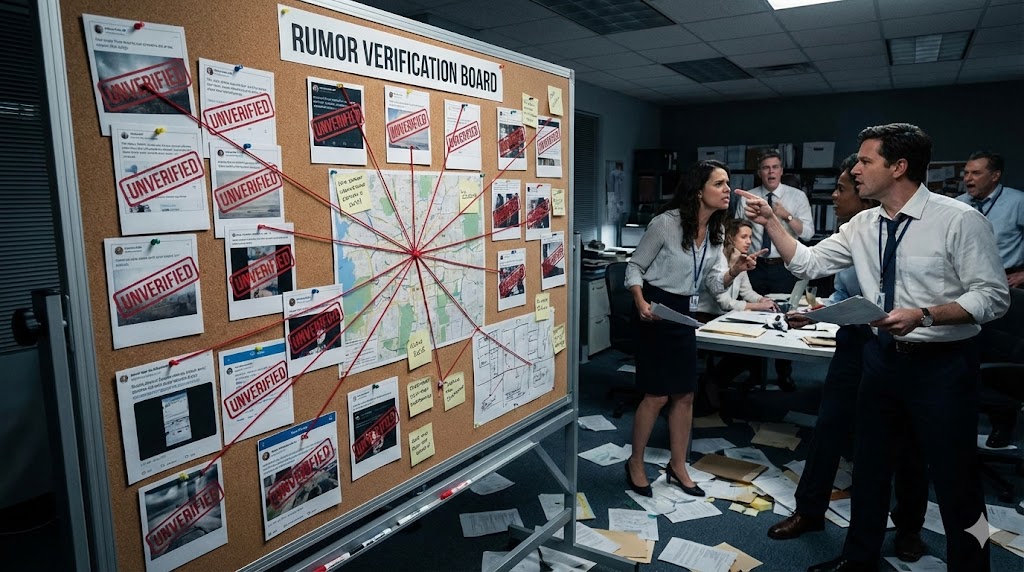
Hour 24: Repair ships mobilize, but weather delays deployment. Estimated restoration: 3-6 weeks for full capacity. Your IT team proposes degraded operations mode. Your sales director says key clients are threatening to switch suppliers who “have better resilience.” Your communications team asks: Do we acknowledge impact publicly?
Hour 48: Conspiracy theories proliferate faster than official statements. Some claim it’s a false flag. Others blame non-state actors. Two of your major clients in Finland invoke force majeure clauses. Your legal counsel isn’t sure if your insurance covers “undeclared hostile action.”


Questions That Crystallize in the War Room:
Strategic:
- At what point do you publicly acknowledge impact versus maintaining “business as usual” narrative?
- How do you maintain customer confidence when you can’t guarantee communication/delivery timelines?
- Do you accelerate geographic diversification plans that were scheduled for 2028-2029?
Operational:
- Which operations can function with 40% internet capacity versus which must halt?
- How do you coordinate distributed teams when video calls are impossible and email unreliable?
- What’s your threshold for activating fully terrestrial backup systems at 3x cost?
Financial:
- Do you pre-pay suppliers who might invoke payment delays due to banking disruptions?
- How do you manage cash flow when receivables processing is degraded?
- At what exchange rate volatility do you execute hedging strategies?
Communication:
- How do you counter false narratives when your own communication channels are compromised?
- What do you tell employees who are seeing conflicting information on social media?
- How do you coordinate with government communications when official channels are also debated?
What This Scenario Reveals:
Before Signals 360, your organization assumes:
- Internet disruptions are temporary IT problems, not strategic crises
- Communication redundancy means “multiple cloud providers”
- Geopolitical events affect “other companies,” not yours
- Your crisis communication plan works when you can actually communicate
After Signals 360, you discover:
- Your digital infrastructure dependencies are not mapped to geopolitical vulnerabilities
- Decision authority for “continue vs. halt operations” under infrastructure degradation is unclear
- Your information verification protocols cannot handle sophisticated deepfakes
- Customer contract force majeure clauses don’t account for “gray zone” incidents
- Your communications playbook assumes you can reach stakeholders reliably
Measurable Outcomes:
Geographic diversification roadmap with 60/90-day milestones
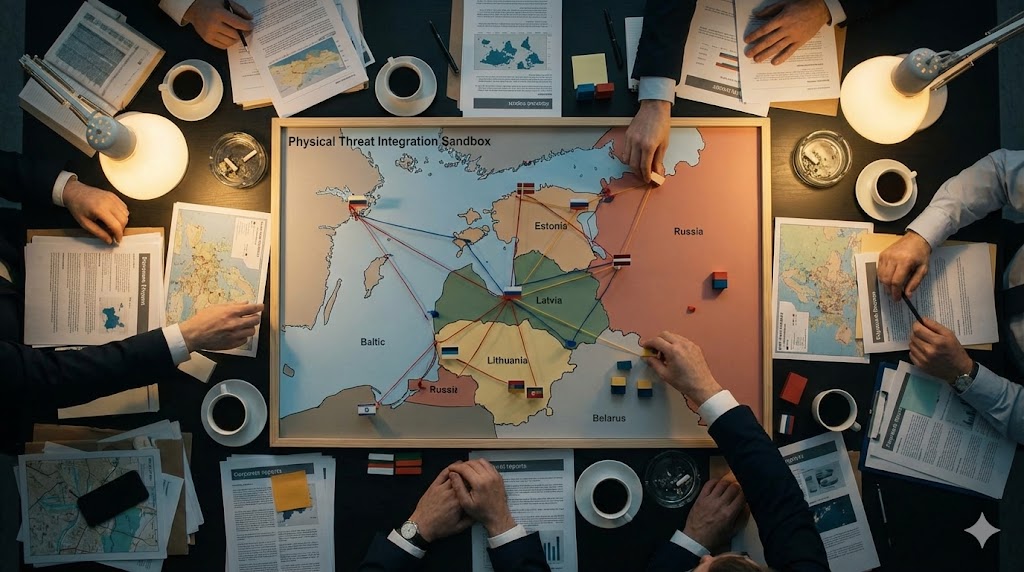
Map of digital dependencies to physical infrastructure with risk ratings
Decision tree for operations under degraded connectivity (40%, 20%, 5%)
Pre-negotiated terms with suppliers for infrastructure disruption scenarios
Disinformation response protocol integrated into crisis management