SCENARIO 2
The Breadbasket Cascade
Agricultural Failure × Trade Weaponization × Energy Multiplier × Chinese Strategic Ambiguity
June 2026
It begins quietly. Ukrainian wheat harvest projections drop 35% due to continued conflict and labor shortages. Kazakhstan reports similar declines due to drought. Poland’s own yields are down 18% following a brutal winter and spring frosts that damaged seed germination.
This alone would be manageable. European grain reserves exist. Substitution mechanisms function. Markets adjust.
Then India acts.
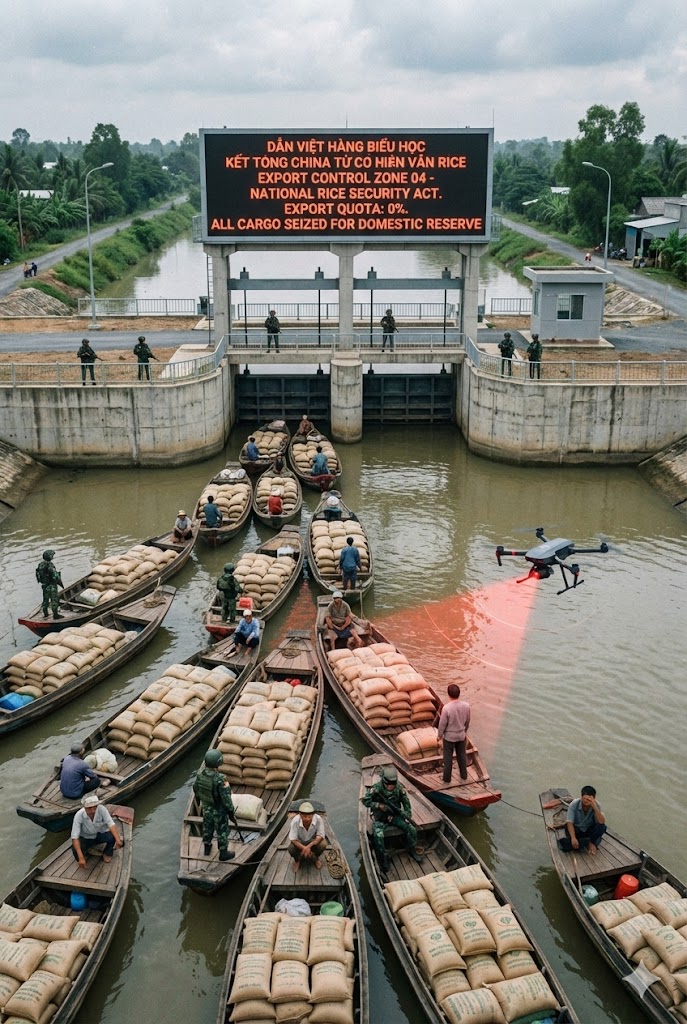
Facing domestic food inflation and upcoming elections, India bans rice exports on June 12. Within 72 hours, Indonesia follows with palm oil restrictions. Vietnam limits rice exports. Each government cites “national food security.”
On June 19, Russia announces it will prioritize grain exports to “friendly nations” offering payment in rubles or yuan. The announcement comes with a list: Belarus, Iran, North Korea, parts of Africa. European buyers are notably absent.
Wheat futures spike 34% in four days. Corn follows. Soybean prices surge. Your organization—whether you’re in food processing, livestock, retail, or logistics—suddenly faces:
Immediate impact:
- Suppliers invoking escalation clauses for raw materials
- Customers panic-buying, creating artificial demand spikes
- Inventory decisions becoming $10M+ bets on where prices peak
- Media calling for statements on “how you’re protecting consumers”
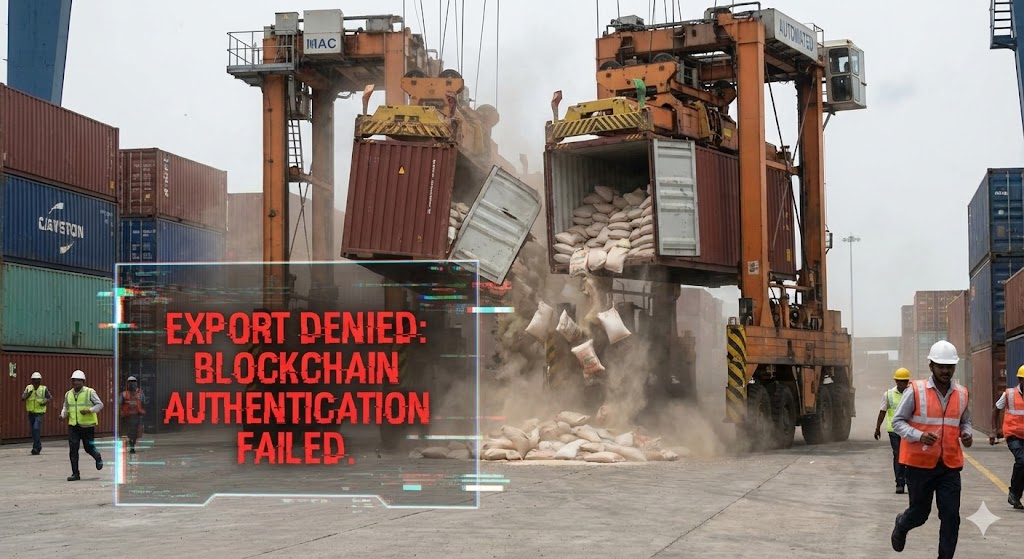
Week 2: Poland’s government announces temporary export limits on certain grains to ensure domestic supply. Your international customers send urgent messages: “Can you still deliver?” Your domestic customers ask: “Will prices spike?”
The Chinese Question Emerges:
At a G20 emergency session, European Commission officials ask China to release strategic grain reserves to stabilize global markets. China’s Ministry of Commerce issues a statement: “China will act in accordance with international market principles while ensuring domestic food security.”
This is diplomatic language for: “We’re not saying yes, and we’re not saying no.”
The Crisis Deepens:
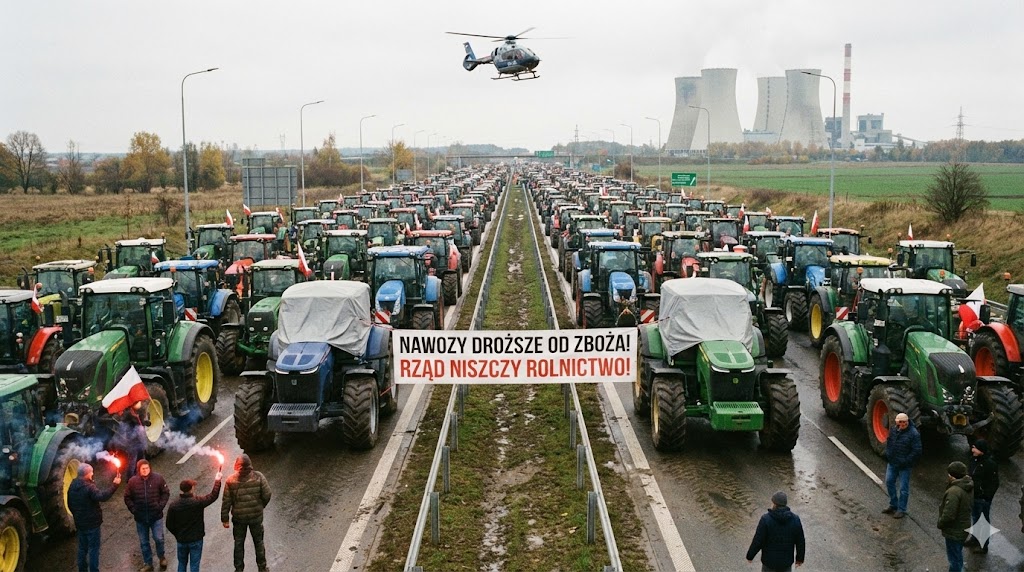
Month 2: Small-scale farmers in Poland protest government policies they claim favor large agribusiness. Tractors block highways. Your logistics company cannot guarantee delivery schedules. Your retail partner loses 4.5 days of sales due to blocked access.
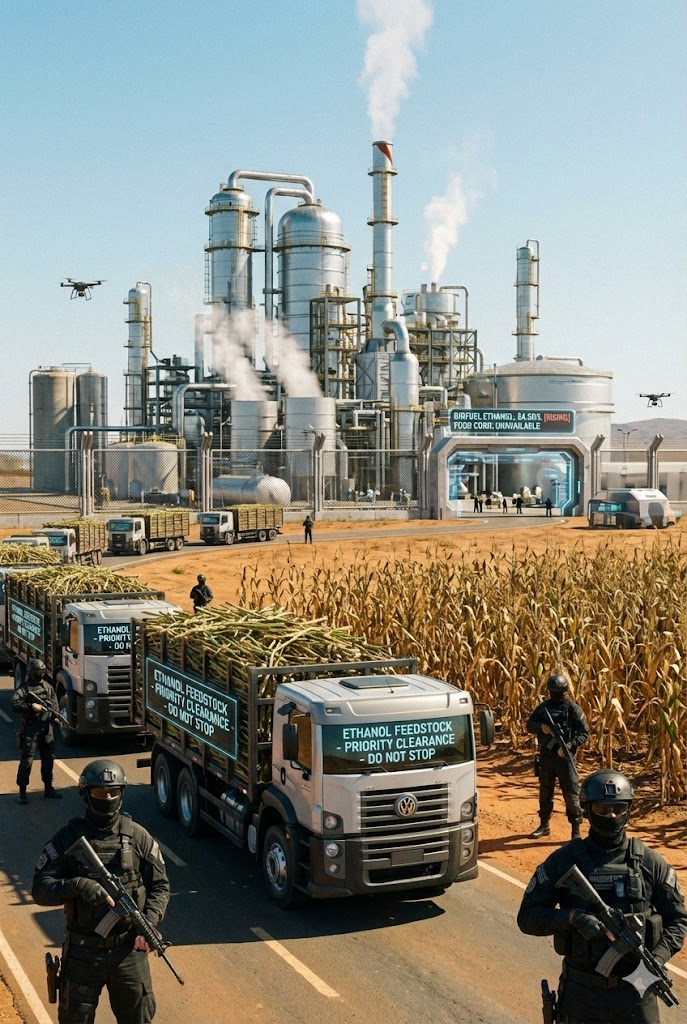
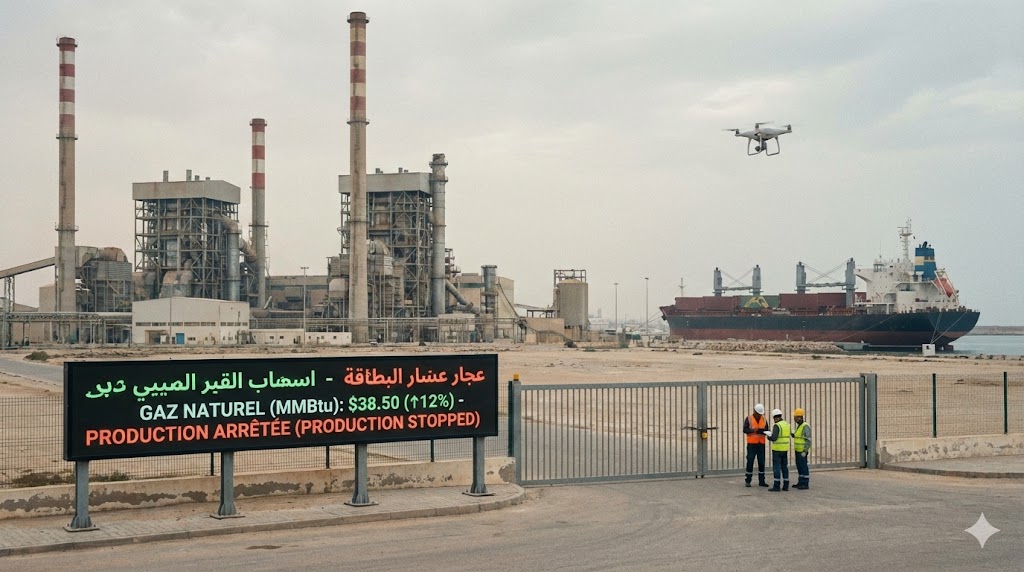
The energy multiplier intensifies: Natural gas prices surge 28% as Middle Eastern producers reduce output amid their own domestic pressures. This cascades:
- Fertilizer production costs up 35% (natural gas is primary input)
- Greenhouse heating costs for vegetable production up 40%
- Food processing energy costs up 22%
- Cold chain logistics costs up 19%
Your CFO presents the calculation: “Even if grain prices stabilize tomorrow, our input costs have structurally increased 30-35% due to energy cascade. Margins are unsustainable at current retail prices.”
China begins releasing strategic pork reserves (addressing domestic meat prices) but remains silent on grains. Financial press speculates: “Are they anticipating longer disruption than publicly acknowledged?”
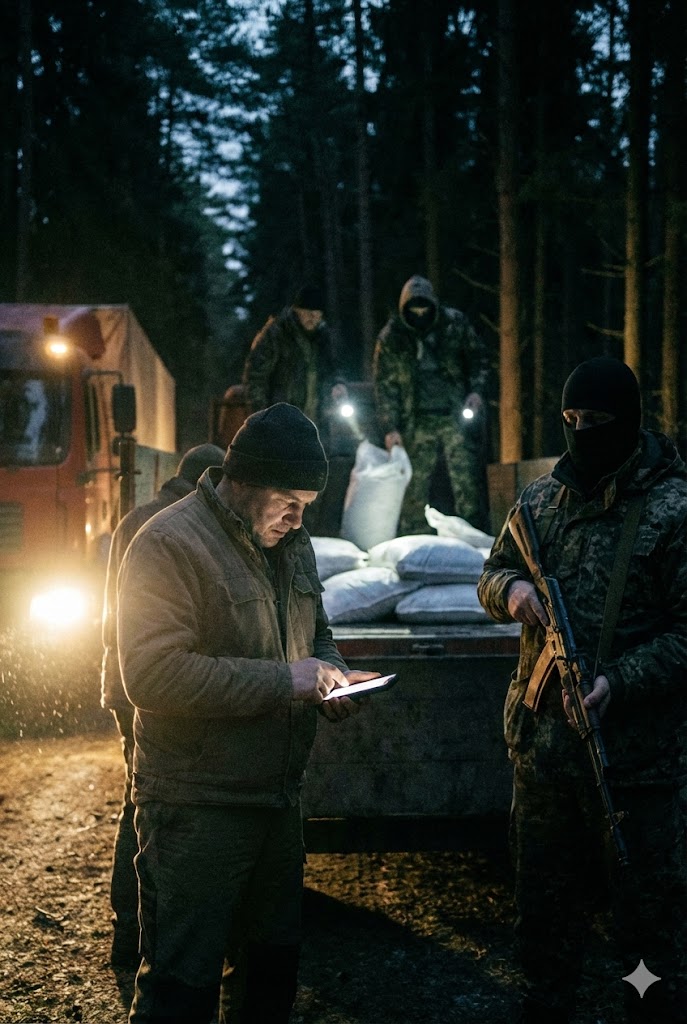
Month 3: A humanitarian crisis develops in countries dependent on Ukrainian/Russian grain. EU pledges emergency food aid. The Commission approaches major food companies for “voluntary supply contributions.” Is this request? Obligation? What does refusal cost in reputation?
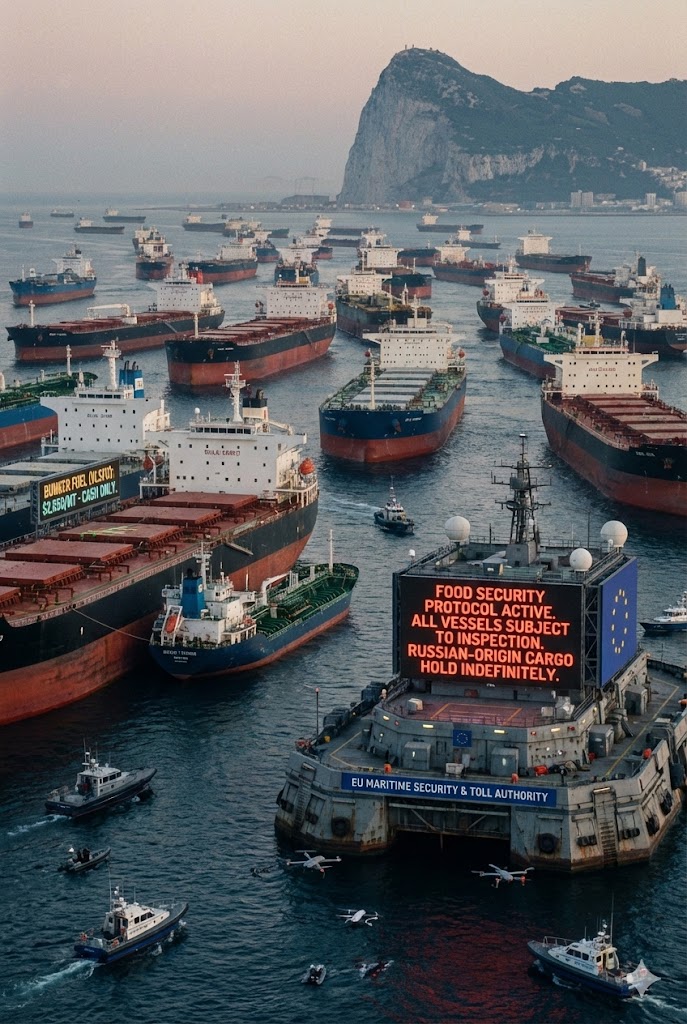
Baltic and North Sea shipping rates (relevant for fertilizer and supplementary grain imports) increase 45% as vessel availability tightens. Insurance premiums for agricultural cargo rise 30% due to geopolitical tensions.
Month 4: Alternative supply chains emerge. Grain from Brazil, Argentina – but at premium prices and with longer lead times.
Your competitor announces they’ve secured South American suppliers. Your board asks: “Why didn’t we?”
Here’s what they didn’t announce:
The shipping cost from Santos (Brazil) to Gdańsk has increased from $35/ton to $89/ton due to:
- Fuel oil prices up 52% (affecting all maritime transport)
- Suez Canal traffic backed up due to separate tensions, forcing longer Cape of Good Hope routes
- Insurance premiums tripled for “food security” cargo
- Port congestion as every European buyer simultaneously pivots to South American sources
Your logistics director calculates: “Brazilian wheat delivered to Poland now costs 127% more than Ukrainian wheat cost in January 2026. Of that increase, 38% is commodity price, 34% is shipping/fuel, 29% is fertilizer pass-through and insurance.”
The Chinese position evolves: In late month 4, China announces “limited commercial sales” of wheat to select Asian partners—but not to Europe. Quantities unspecified. Prices undisclosed. The message is clear: China is choosing who gets access to its reserves, and Europe isn’t on the priority list.
European Commission officials privately acknowledge: “We miscalculated China’s willingness to act as global stabilizer. They’re using reserves as geopolitical leverage.”
Month 5: First signs of stabilization, but prices remain 60% above pre-crisis levels. Consumers have changed behavior. Governments have changed policies. Market structure has changed. Your strategic plan—built on assumptions from 2025—no longer reflects reality.
The energy correlation persists: Even as grain harvest projections for 2027 improve slightly, energy prices remain structurally elevated. Your finance team models the new normal: “Even with good harvests, food prices won’t return to 2025 levels because energy inputs are permanently higher.”
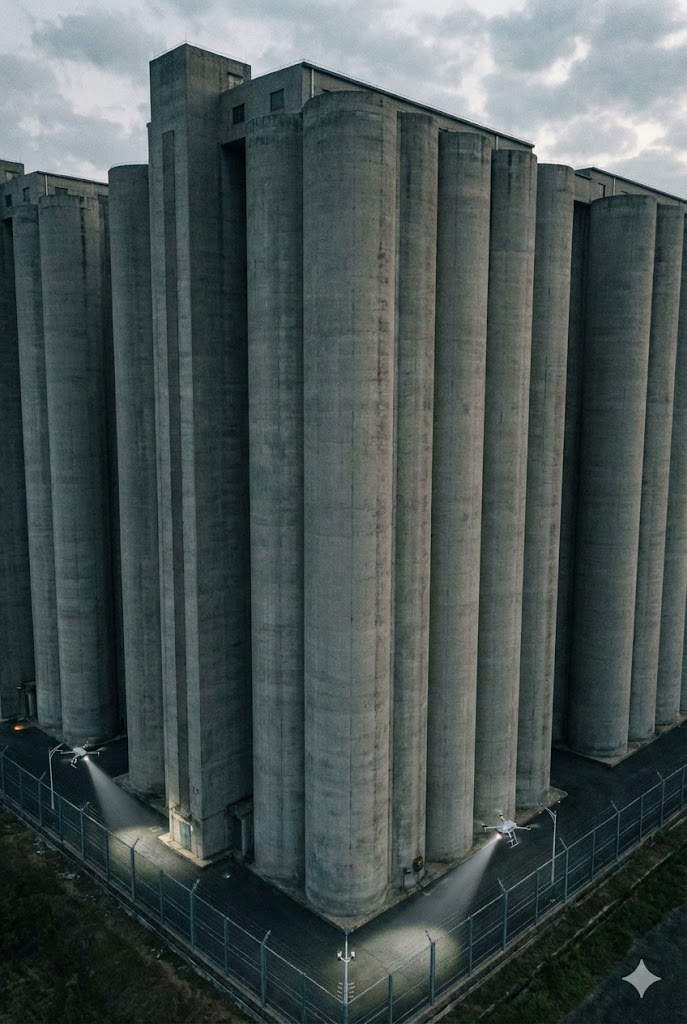
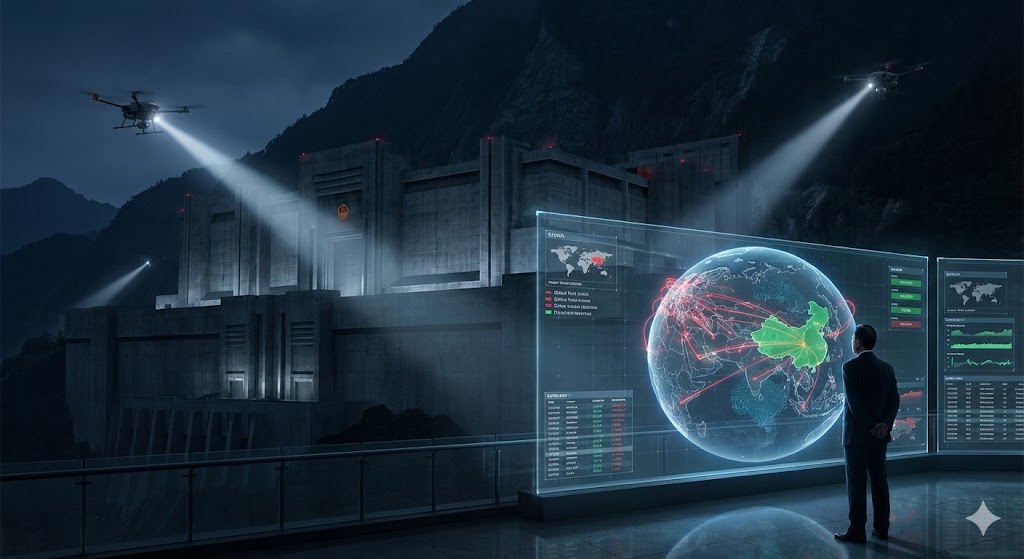
Financial analysts note that China controls approximately 50% of global wheat reserves—roughly 280 million metric tons. Release of even 10% would significantly dampen price spikes. But China’s statement is deliberately ambiguous.
Your procurement team reports: “Traders are split. Some think China will flood markets in 3-4 weeks. Others think they’ll keep stockpiling. Futures contracts are pricing both scenarios simultaneously. Do we lock in prices now or wait?”
Week 3: Protests erupt in North Africa as bread prices double. European Commission proposes emergency grain-sharing mechanism, but member states disagree on allocation formulas. Hungary blocks consensus.
The energy dimension becomes visible: Fertilizer prices—already elevated due to natural gas constraints—spike another 40%. Urea, DAP, potash all surge. Farmers across Europe facing autumn planting decisions receive quotes 65% higher than last year. Some announce they’ll reduce planted acreage for 2027 harvest.
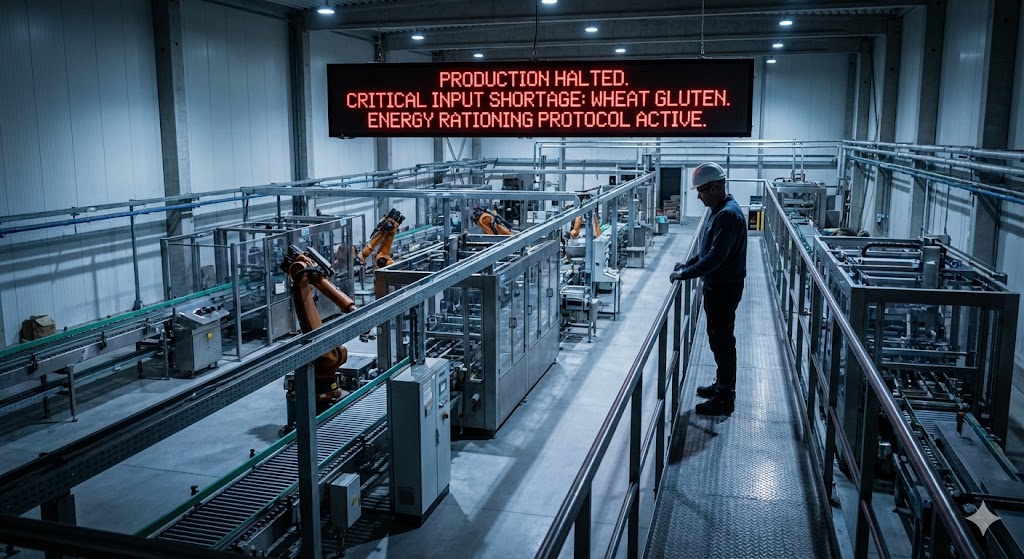
Your procurement team delivers worse news: “Suppliers who committed delivery in January are now saying ‘force majeure.’ Those who can deliver want payment in advance, in euros or dollars, with energy surcharge clauses.”
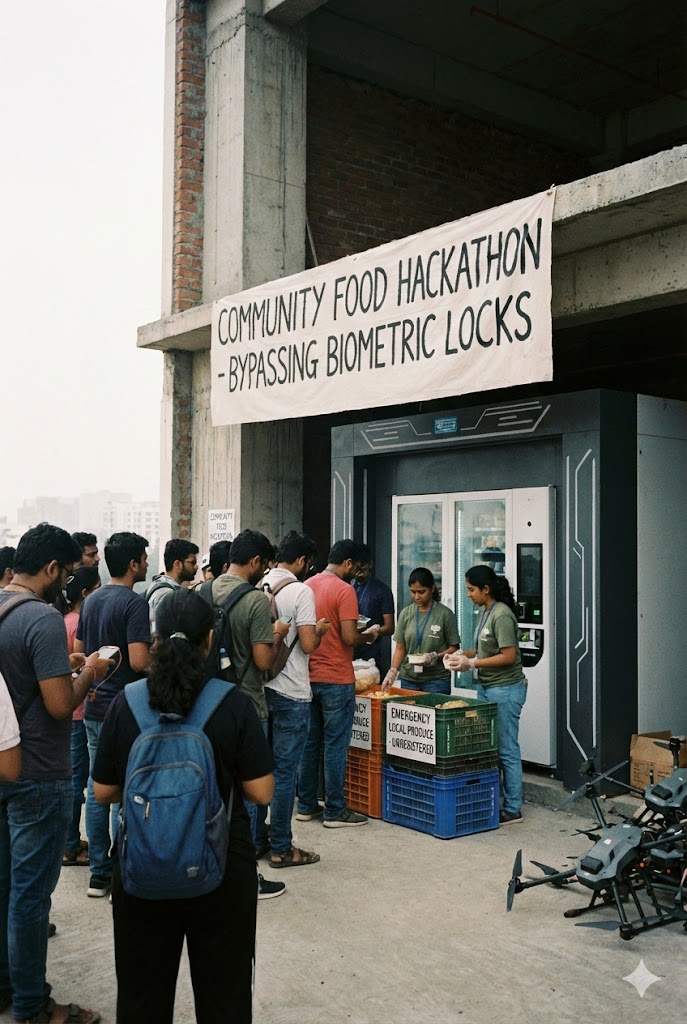
Week 4: Social media explodes with videos of empty shelves in discount supermarkets. It’s misleading—most stores are stocked—but the narrative spreads. Food hoarding begins. Your distribution centers report 340% increase in demand for specific staples.
Meanwhile, diesel prices climb 18% as refineries struggle with crude oil supply fluctuations. Your logistics partner announces a fuel surcharge: 12% on all deliveries.
Week 5: A major European food processor announces temporary plant closures due to “input unavailability.” Their stock drops 23%. Investors ask: “Is your company exposed?”
China maintains strategic silence. No additional grain sales to international markets. No releases from strategic reserves. But also no explicit hoarding announcements. The ambiguity itself becomes a market factor. Some analysts interpret silence as “they’re waiting for higher prices.” Others read it as “they’re conserving for their own potential shortfall.”

Questions Your Leadership Faces:
Hour 1-24:
- Do you pre-buy inventory at inflated prices or wait for potential price correction?
- Do you factor potential Chinese reserve release into inventory decisions, knowing you’re guessing?
- How do you communicate price increases to customers without triggering competitive losses?
Week 1-2:
- At what price point do you reformulate products to use alternative ingredients?
- Do you prioritize high-margin customers or largest-volume contracts?
- How do you hedge when both commodity AND energy prices are volatile?
Week 3-4:
- Do you lock in South American suppliers before China clarifies its position?
- How do you manage employee anxiety when they’re also consumers seeing price spikes?
- At what fuel cost does air freight become viable for critical inputs despite environmental commitments?
Month 1-3:
- Do you accelerate geographic supplier diversification despite shipping costs making it uneconomical at current volumes?
- How do you respond to government “requests” for supply contribution?
- What do you tell investors about margin compression when energy correlation means “grain stabilization” doesn’t equal “cost stabilization”?
- Do you invest in fertilizer forward contracts to hedge 2027 planting season exposure?
Month 4-6:
- Your competitor locked in Brazilian supply at Month 4 prices. You waited. Were they smart or lucky? Do you match now at higher cost or continue waiting?
- How do you rebuild relationships with Ukrainian suppliers post-crisis, knowing you pivoted to South America during peak stress?
- What’s your strategy when Chinese reserve policy remains opaque and unpredictable?
- Do you redesign products to be less energy-intensive in production, even if it requires capital investment?
Strategic (12-24 months):
- How does permanent energy cost elevation reshape your 2027-2030 sourcing strategy?
- Do you vertically integrate into lower-energy-intensity ingredients?
- What hedging instruments should be permanent versus crisis-only?
- How do you price in “geopolitical access risk” to Chinese reserves in future scenarios?
- Do you relocate production closer to South American sources to reduce shipping exposure?
What This Scenario Reveals:
Your organization discovers:
- Supply chain resilience plans assume one or two node failures, not systemic collapse across food AND energy simultaneously
- Commodity price hedging strategies are optimized for 15-20% swings, not 60%+ compounded by 50%+ energy cost increases
- China’s role as potential circuit-breaker or amplifier is not factored into procurement strategy
- Energy price correlation to food inputs creates multiplicative, not additive, effects
- Customer contracts don’t clearly define force majeure in “cascading trade restriction” scenarios
- Decision-making for “reformulate vs. delay vs. cancel” lacks clear ownership and criteria when both input availability AND transport costs are volatile
- Government relations protocols don’t address mandatory vs. voluntary supply contributions
- Maritime logistics exposure is underestimated—treated as “operational detail” rather than strategic vulnerability
- Communication strategy cannot handle simultaneous B2B, B2C, investor, and regulatory audiences with conflicting needs
- Geopolitical risk assessment tools don’t account for strategic reserve deployment as leverage mechanism
Additional reveals specific to energy-food nexus:
- Your carbon footprint commitments (shorter supply chains, less shipping) directly conflict with crisis resilience requirements
- Fertilizer price volatility affects 2027-2028 harvest even if 2026 crisis “resolves”
- Cold chain and processing operations have hidden energy vulnerability not visible in normal operations
- Competitor advantages during crisis may reflect different energy hedge strategies, not just commodity hedges
Measurable Outcomes:
- Multi-tier supplier mapping with geopolitical risk AND energy cost overlay
- Dynamic hedging strategy for commodity exposure integrated with energy price correlation models
- Government relations protocol for crisis-period requests
- Customer segmentation for allocation priority during scarcity
- China strategic reserve scenario planning – bear case (no release), base case (limited release), bull case (full release)
- Maritime logistics alternative routing analysis with fuel cost sensitivity
- Energy-food nexus stress testing showing how natural gas prices cascade through your entire cost structure
- Communication playbook for price increase justification across stakeholder groups with energy component explanation
- Carbon footprint vs. resilience trade-off decision framework
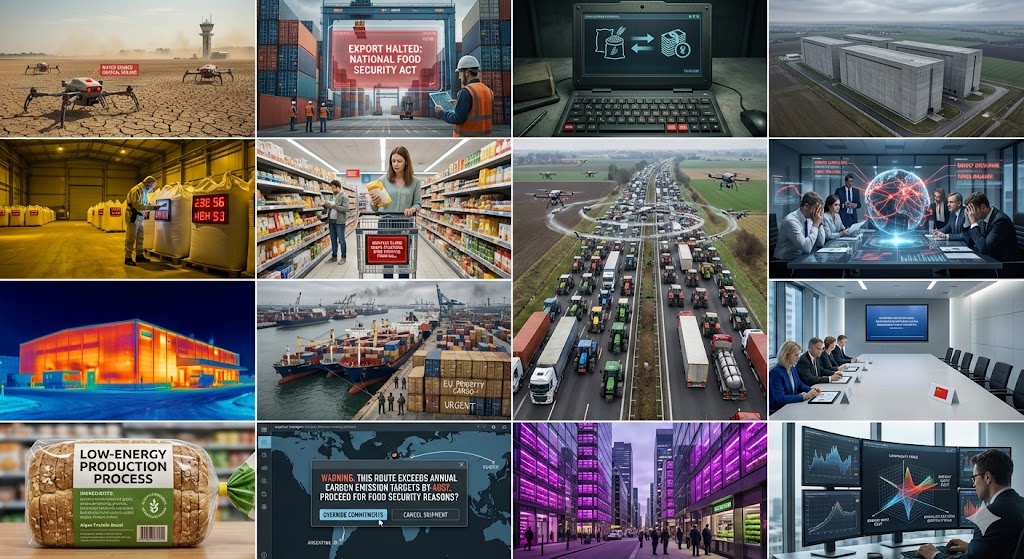
The Twist That Makes This Real:
The scenario’s power isn’t in the food shortage itself—it’s in the convergence:
- Agricultural disruption (predictable in isolation)
- Trade weaponization (has historical precedent)
- Chinese strategic ambiguity (game theory applied to commodities)
- Energy cascade (multiplies every other factor)
- Shipping bottleneck (turns alternative sources into pyrrhic victories)
Each element alone is manageable. Together, they create second and third-order effects your planning models never anticipated.
The organization that “wins” this scenario isn’t the one that predicted it—it’s the one that:
- Recognized the energy-food correlation early
- Developed decision frameworks for acting under Chinese reserve uncertainty
- Understood shipping costs as strategic vulnerability, not operational detail
- Could explain to customers why “crisis is over” doesn’t mean “prices return to normal”
That’s what Signals 360 tests: your ability to see the system, not just the nodes.