Foresight Research: Energy Transition Uncertainties Handbook
Climate-KIC | Expert Workshops Programme
Subcontracted analytical contribution for 4CF
Challenge
How to meaningfully address the profound uncertainty surrounding the energy transition — not as a forecasting problem, but as a structural condition shaping decision-making, innovation, and policy.
Within the Climate-KIC workshop programme, the challenge was to create a shared analytical foundation that would allow participants to engage with energy futures without reducing them to linear pathways, dominant narratives, or single-technology solutions.
This required an uncertainty-focused resource that could:
- surface non-obvious and contested drivers of the energy transition,
- move beyond purely technological framings,
- support exploration of future energy systems as situated, uneven, and socially negotiated,
- challenge dominant assumptions embedded in current energy transition discourse,
- remain grounded in empirical signals while opening space for speculative exploration.
Approach
As a subcontractor to 4CF, acting as the main contractor for Climate-KIC, Strategic Dreamers was responsible for the analytical design and development of the Energy Transition Uncertainties Handbook.
The role of Strategic Dreamers focused on the identification, framing, and structuring of key uncertainties shaping the energy transition between 2025 and 2050, viewed through a European lens with global implications.
The handbook was constructed around 15 core uncertainties, each developed using a consistent foresight structure:
- formulation of each uncertainty as a provocative, open question,
- an opening “Imagine that…” vignette — a short speculative micro-scenario revealing internal tensions within the uncertainty,
- a “What Is Uncertain” section outlining divergent trajectories,
- a “Why It Matters” section mapping systemic and strategic implications,
- a “Reality Check” grounding the uncertainty in current data, signals, and expert debates.
This structure deliberately combines analytical rigour with imaginative provocation, allowing uncertainties to be explored both conceptually and situationally.
Micro-scenarios as Analytical Devices
A defining feature of the handbook is the systematic use of embedded micro-scenarios within each uncertainty.
These short “Imagine that…” vignettes function as situational probes rather than full scenarios. They describe plausible but counter-intuitive future states that surface hidden assumptions and structural tensions in current energy transition narratives.
Examples include:
- emergency reactivation of coal capacity driven by grid constraints rather than renewable failure,
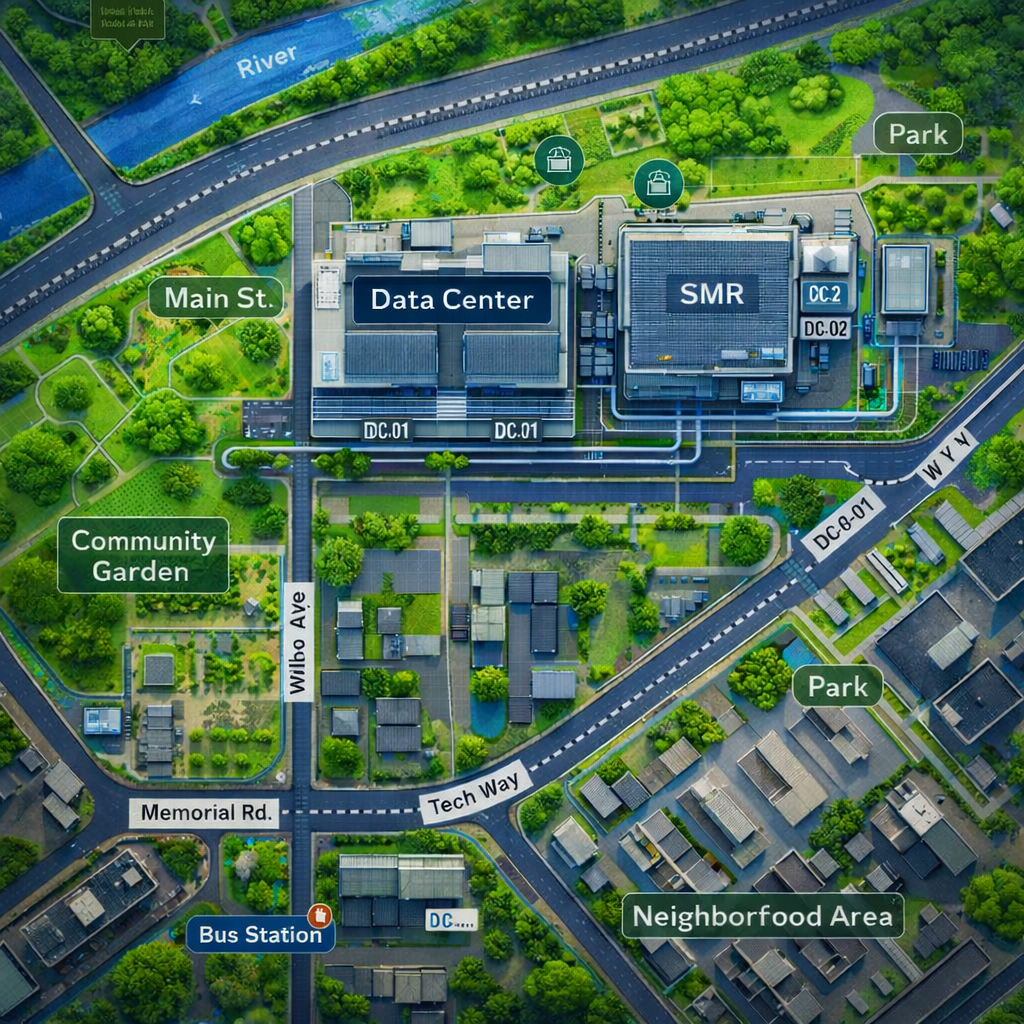
- data centres evolving from energy liabilities into active grid-balancing assets,
- rapid obsolescence of newly built gas infrastructure due to accelerated electrification,
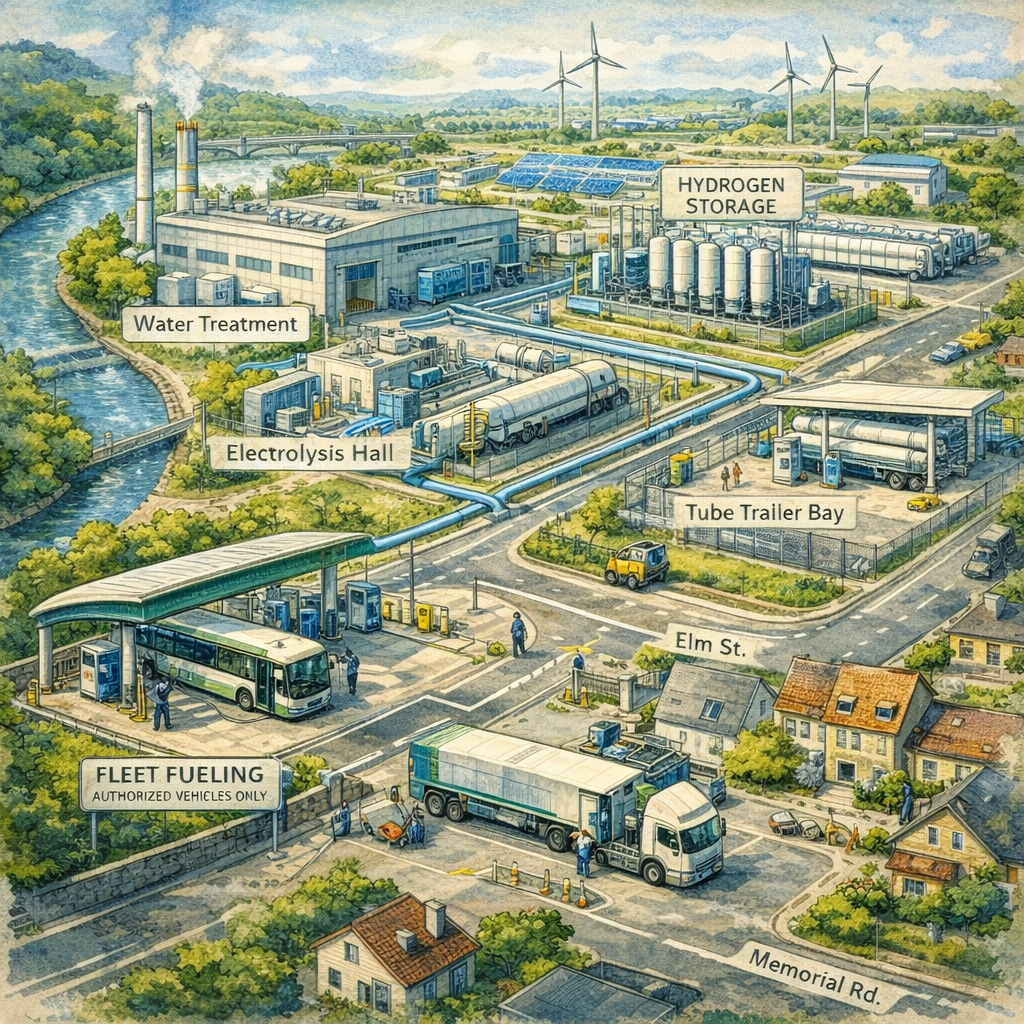
- hydrogen remaining a niche solution despite strong political backing,
- military activity emerging as a major, previously unaccounted-for source of emissions,
- long-duration storage breakthroughs occurring through low-tech thermal or geological solutions rather than advanced batteries.
These micro-scenarios are designed to:
- translate abstract uncertainties into concrete, discussable situations,
- disrupt linear or techno-optimistic assumptions.
Outcome
The Energy Transition Uncertainties Handbook provided Climate-KIC and its partners with a robust, reusable foresight knowledge asset supporting uncertainty-driven exploration of energy futures.
Key outcomes include:
- a structured portfolio of high-impact uncertainties, grounded in empirical evidence,
- an integrated set of micro-scenarios enabling fluid movement between analysis and imagination,
- a shared analytical language supporting:
- critical interrogation of dominant narratives,
- recognition of interdependencies and contradictions,
- exploration of alternative futures without collapse into prediction or advocacy.
Rather than offering forecasts or recommendations, the handbook establishes conditions for informed, critical exploration of the energy transition as a complex, contested, and evolving process.