Emerging Technologies Observatory
This service is a long-term “observatory” for emerging technologies: we systematically scan, validate, and interpret the development of deeptech as a dynamic configuration of forces, interests, and consequences that already begin at the level of technological design (system architecture, data, models, the laboratory, supply chains, and deployment infrastructure).
Thematic scope (illustrative, continuously updated):
- AI and computation: generative models, agency, edge AI, hardware/compute, security, automation of cognitive work.
- Synthetic biology and bioengineering: programming organisms, biomanufacturing, biosecurity, biology as infrastructure.
- Biocomputers and wetware-hardware hybrids: computing in cells and tissues, DNA/biomolecular information carriers, bio-digital interfaces.
- Quantum and post-quantum ecosystems: applications, limitations, commercialization pathways, implications for cryptography and the state.
- Space: satellite infrastructures, Earth observation, connectivity, civil–military entanglements, orbital industry.
- Seas and oceans: ocean sensing, underwater robotics, aquaculture 2.0, carbon removal, seabed geopolitics, extractive risks.
- Other deeptech: new materials, energy systems, neurotechnology, robotics, network infrastructures, security.
Crucially, we do not limit ourselves to the perspective of “does it work?”—we ask in parallel:
who benefits, who pays the cost, what shifts in power relations, what social orders are built into the system, what the materiality of technology looks like (resources, energy, labor, logistics, waste), and what the medium- and long-term scenarios of consequences are.
How we work: from scanning to sensemaking
1. Scanning and early detection of signals
We combine sources that are usually kept separate:
- deeptech startups (funding, partnerships, talent, pivots, regulation),
- preprints and scientific papers (e.g., arXiv/bioRxiv ecosystems—tracking “what is only now becoming possible”),
- patents, standards, consortia, public and military procurement (often where real trajectories become visible),
- study visits to laboratories and conversations with R&D teams,
- the “gray zone” of deployment: pilots, testbeds, integrators, infrastructure vendors, and data on costs and constraints,
- art exhibitions.
2. Validation: separating breakthroughs from marketing
We verify:
- what is a demonstration, what is a prototype, and what is already an integration-ready system,
- where the bottlenecks are (data, energy, cooling, critical materials, security, scaling manufacturing),
- where dual-use emerges (civil and military applications, surveillance, biosecurity).
3. Mapping TRL and “maturation pathways”
We create Technology Readiness Level (TRL) maps and real adoption pathways: who must appear (partners, infrastructures, standards), which barriers have to break, and what alternative commercialization routes exist. This is not a “ranking”—it is a management tool: when it makes sense, where to enter, what to monitor as breakthrough indicators.
4. Entanglement analysis: technology × society × ecology × politics
This is the key differentiator of the service. We treat technologies not like a “knife” – a neutral tool – but as intentionally designed arrangements in which, from the very beginning, there are embedded:
- models of control and access (who is allowed to use it, who is excluded),
- corporate and state interests (e.g., surveillance logics, monopolization, extraction of data and resources),
- social and cultural norms (e.g., what we accept as “health,” “productivity,” “risk,” “error”),
- ecological costs displaced onto invisible peripheries (energy, water, waste, extractive pressures).
The result is a real picture of consequences: not only “what the technology can do,” but what it does to the world—and how the world (law, culture, conflict, climate) does something back to the technology.
A curatorial example: “Seeing Stones and Spaces Beyond the Valley”
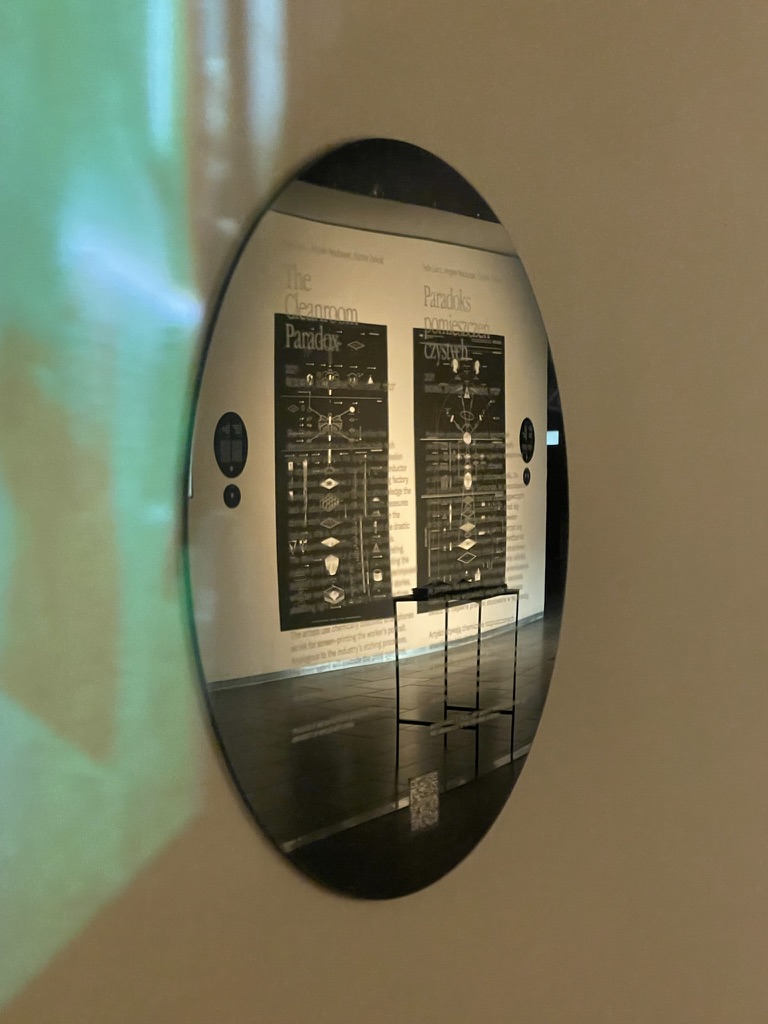
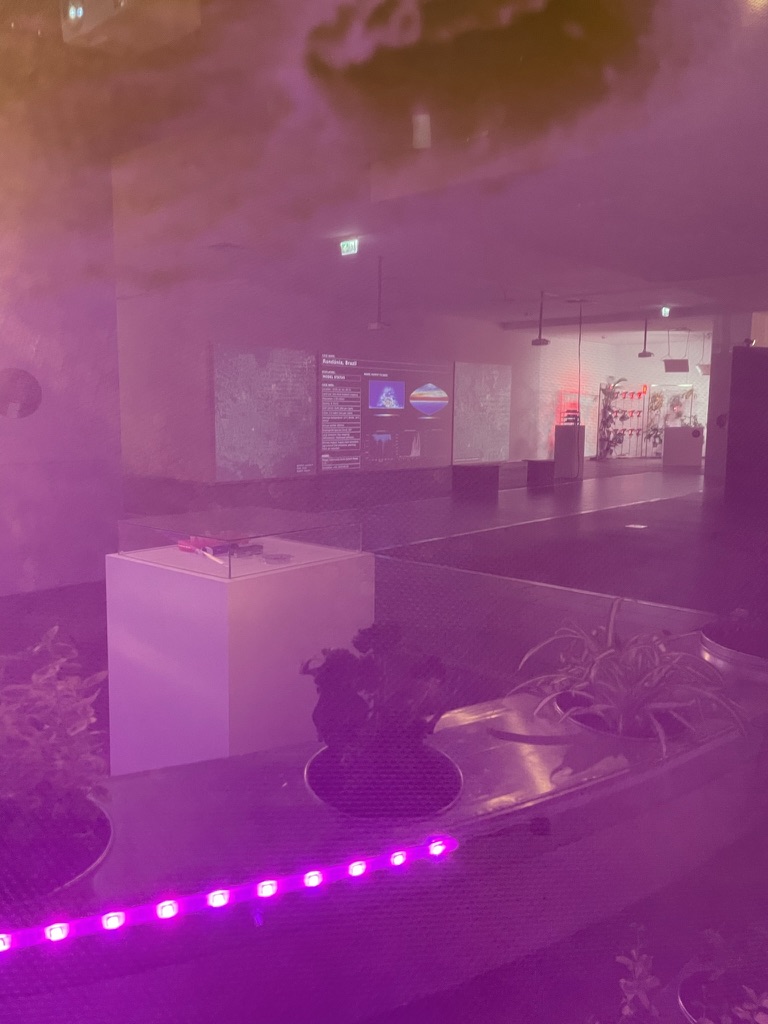
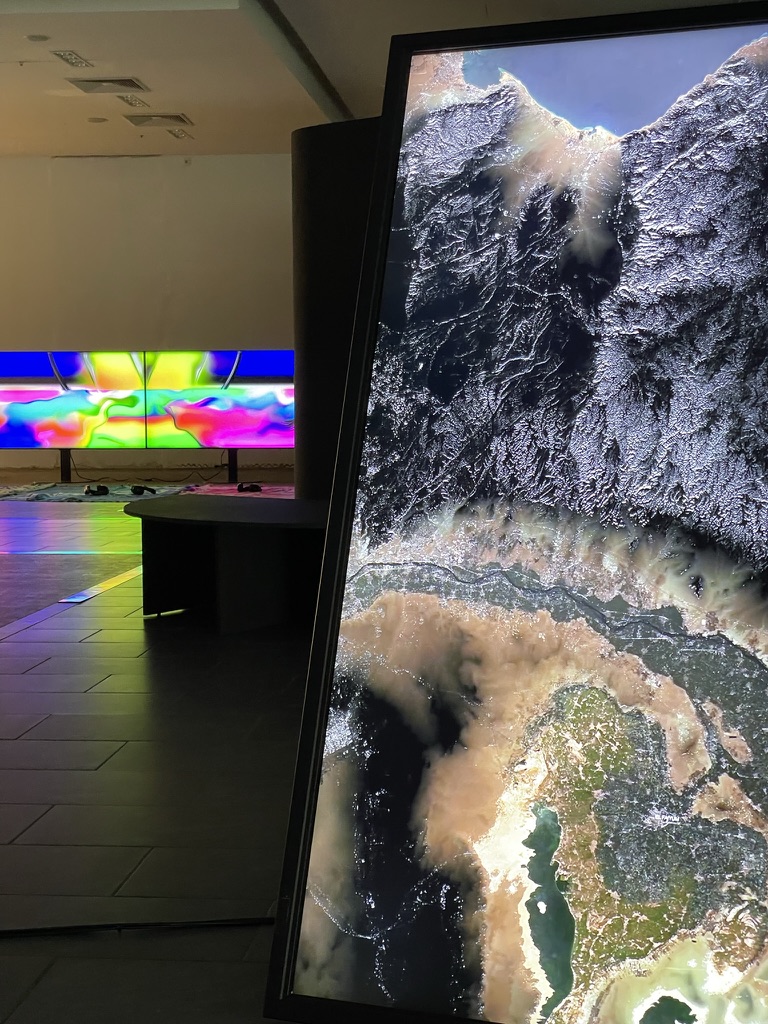
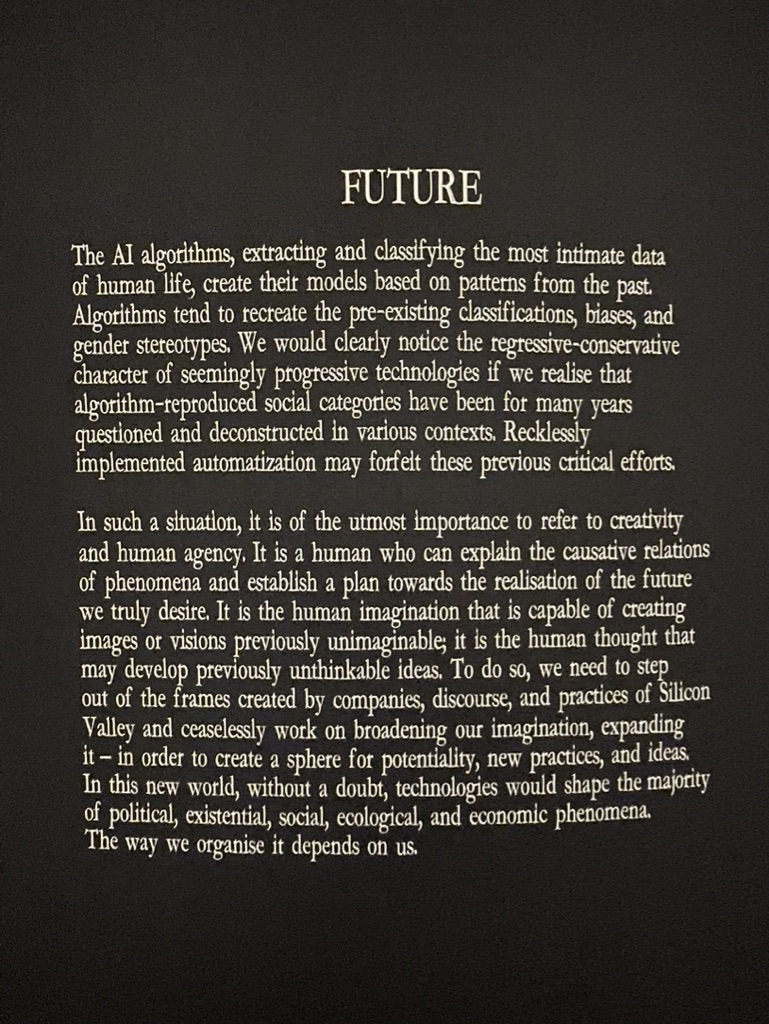
A practice closely aligned with this observatory is the exhibition “Seeing Stones and Spaces Beyond the Valley” (Biennale Warszawa, 2022), co-curated, among others, by Bartosz Frąckowiak. The exhibition focused on the relationships between political-economic power and technology, and on searching for alternative technological models beyond the dominant paradigm of large corporations and their coupling with political centers. It drew on the metaphor of palantíri (seeing stones) and the real context of analytic technologies and data infrastructures, while also presenting alternative proposals—organizational, algorithmic, ecological, and infrastructural.
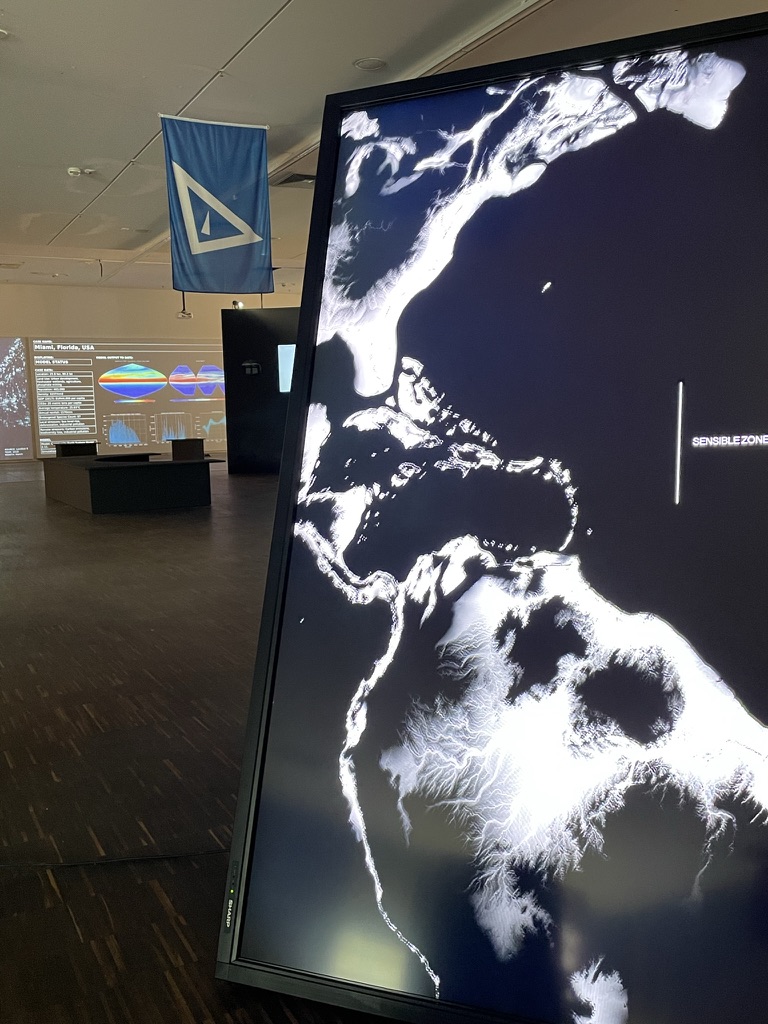
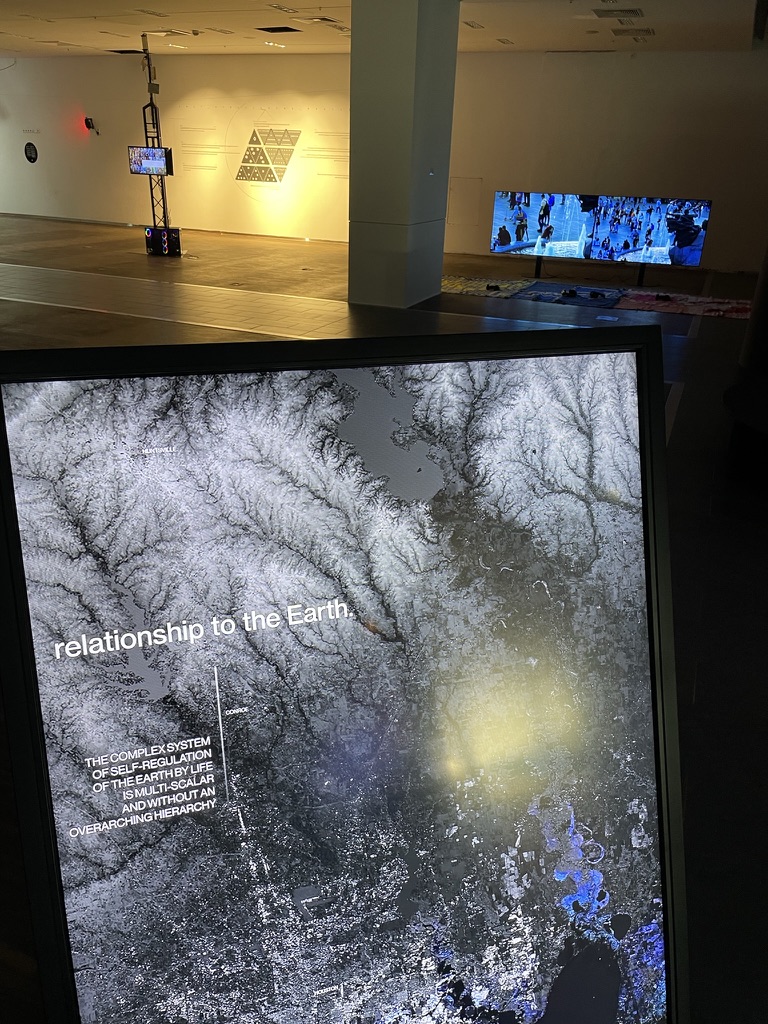
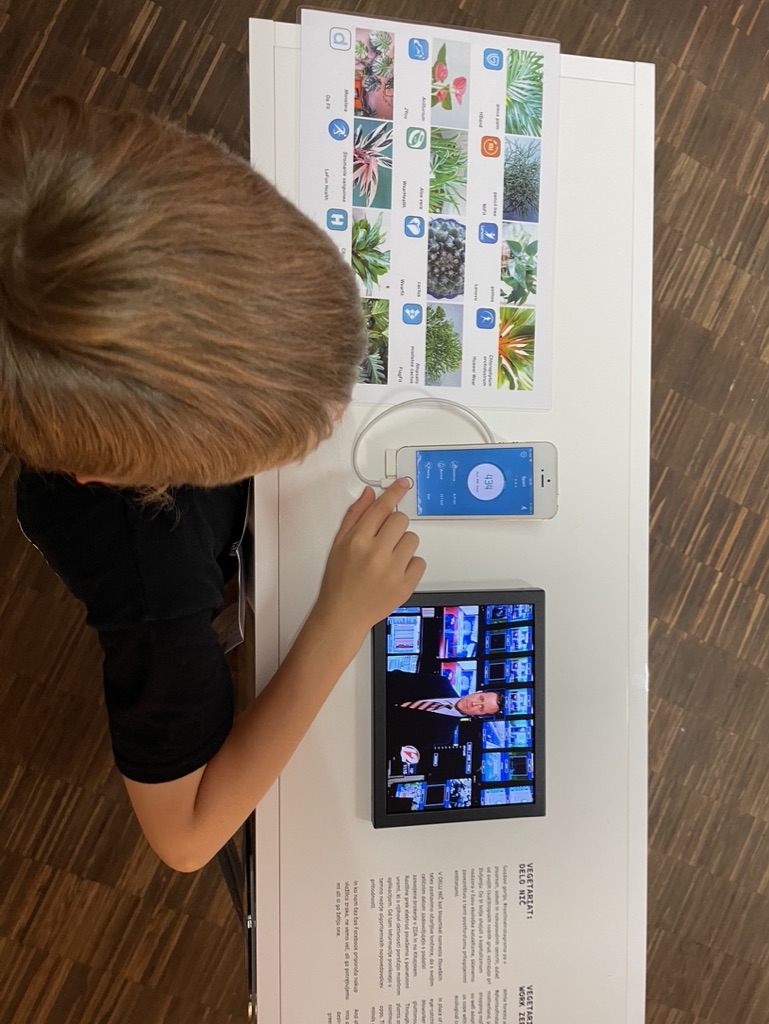
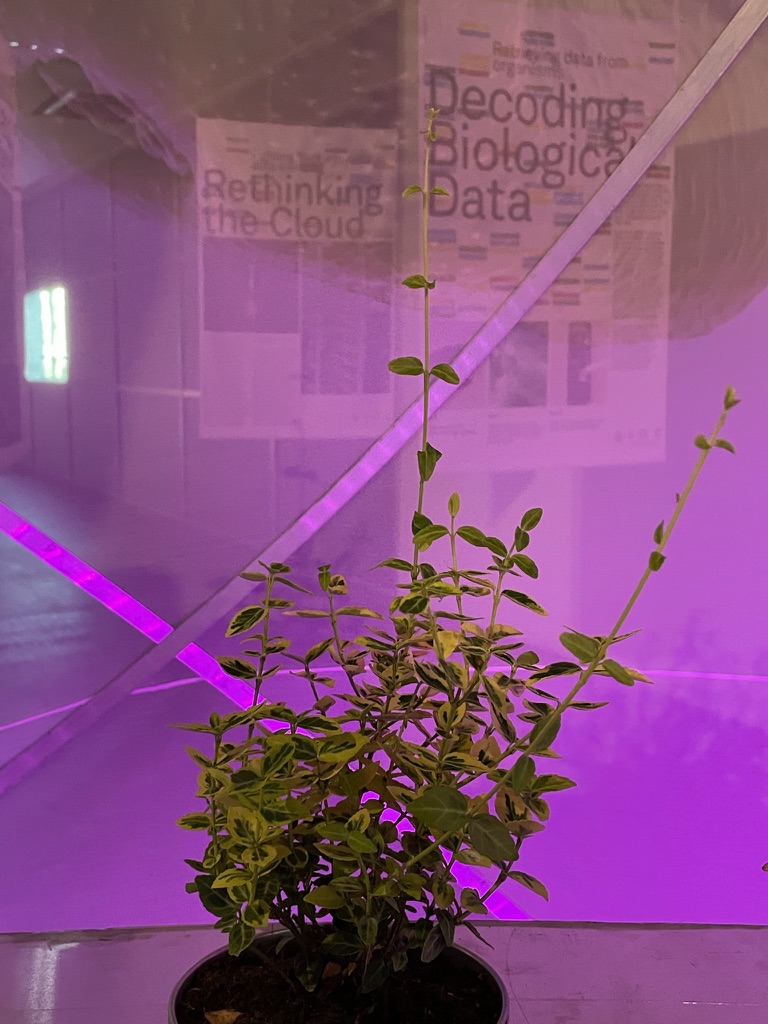
This example clearly demonstrates the Strategic Dreamers method: art and art-and-tech curatorship as diagnostic tools that make it possible to capture hidden layers of technology (the materiality of networks, the logics of surveillance, the ideology of innovation) while simultaneously testing imagination: “how else could this work?”
Why observing technological development is now critical
In practice, organizations lose not because they “don’t know what is fashionable,” but because:
- they notice infrastructure shifts too late (compute, data, standards),
- they fail to see that technology is politics implemented through design and deployment,
- they miss “side effects” that later become the main effects (regulation, social conflict, environmental crises, reputation, geopolitical dependencies),
- they invest in solutions that look impressive but have low feasibility in real conditions.
That is why we combine pragmatics (potential, TRL, deployment maps) with a critical analysis of risks and power – and with analysis of how technologies co-evolve (AI accelerates bio; bio reshapes production paradigms; oceans and space become new territories of data infrastructure and resources, etc.).
What the client receives: a deliverables package
1. Signals Radar and “map of change” (continuous updates)
Concise signal descriptions (startup / preprint / lab / policy / standard), each with interpretation: “why it matters” + “what might follow from it.”
2. Technology and dependency maps (tech stack + entanglements)
Maps showing how a given technology is embedded across chains: resources → labs → models → infrastructure → market → regulation → social consequences.
3. TRL assessment and maturation pathways
Stages, bottlenecks, breakthrough indicators, and plausible adoption scenarios (including negative ones: “why it might not happen”).
4. Medium- and long-term consequence analyses (Impact Briefs)
Cross-cutting reports: social, cultural, ecological, political – focused on second- and third-order effects (what emerges after deployment, not in the pitch deck).
5. Scenarios and strategic narratives (futures capsules)
Short but precise scenarios of technological development under real conditions (market, state, conflicts, climate), with decision implications.
6. Recommendations: what to test, what to avoid
A list of “here and now” actions (pilots, partnerships, competencies, governance, risk indicators), without futuristic clichés and without techno-solutionism.
Modes of work and collaboration cadence
- Continuous mode (subscription observatory): weekly/bi-weekly updates + monthly syntheses + quarterly deep-dives.
- Project mode (e.g., 6–10 weeks): intensive scan + TRL map + scenarios + strategic recommendations.
- Executive intelligence mode: short, frequent briefings for executive teams and innovation leaders.
Inspirational talks and Keynote Lectures
An integral part of the service are talks and keynote sessions:
- delivered by the Strategic Dreamers team (with experience in foresight and art-and-tech curatorship),
- and by invited, outstanding international experts, selected to match the client’s topic and sector (science, labs, deeptech, politics of technology, security, ecology, infrastructures).
These are not “motivational trend presentations,” but decision support: designed so participants understand both the mechanics of technology and the mechanics of power around it – and can translate that into their own strategies.